





All wheel drive and four wheel drive are often grouped together, but they are engineered for different traction problems. Chevrolet uses each system intentionally across its lineup based on vehicle type, drivetrain architecture, and real world use. Understanding how power is delivered and when each system is designed to engage is the key to choosing the right setup for your driving conditions.
How All Wheel Drive Systems Work
All wheel drive systems are designed to manage traction automatically during normal driving. In Chevrolet vehicles equipped with AWD, power is primarily sent to the front wheels under standard conditions to maximize efficiency. When wheel slip is detected, the system uses electronically controlled clutches and sensors to redistribute torque to the rear wheels.
This process happens continuously and without driver input. Wheel speed sensors, throttle position, steering angle, and road speed all feed into the system to determine how much torque is needed at each axle. The goal is stability and control on paved surfaces, especially in rain, light snow, or variable traction conditions.
AWD systems are optimized for on road use. They are not intended for extreme terrain but excel at maintaining grip during everyday driving where traction can change quickly.
How Four Wheel Drive Systems Differ
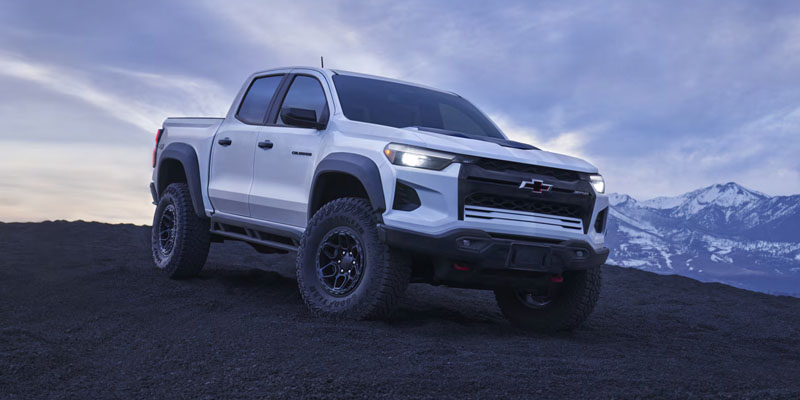
Four wheel drive systems are built for higher load and lower traction environments. In Chevrolet trucks and body on frame SUVs, 4WD systems use a transfer case to mechanically distribute power to both the front and rear axles.
Most modern Chevrolet 4WD systems offer multiple drive modes, including two wheel drive for normal pavement driving and selectable four wheel drive modes for low traction situations. Some configurations also include a low range gear set, which multiplies torque at low speeds. This is critical for deep snow, mud, steep grades, or off road conditions where controlled power delivery matters more than speed.
Because 4WD systems rely on mechanical engagement rather than continuous electronic modulation, they are better suited for sustained traction demands and heavier loads.
AWD vs 4WD in Winter Conditions
In winter driving, the difference comes down to traction consistency versus traction strength.
AWD provides constant monitoring and adjustment, which helps maintain stability on icy roads, slush, and changing pavement conditions. It is especially effective for drivers who spend most of their time on plowed roads but want added confidence when traction is unpredictable.
4WD becomes more effective when snow depth increases or when traction is consistently poor. Engaging four wheel drive locks power distribution more evenly across axles, which helps prevent wheel spin when climbing hills, pulling away from deep snow, or driving on unmaintained roads.
Impact on Fuel Economy and Daily Driving
AWD systems are designed to disengage when additional traction is not needed. This reduces drivetrain drag and helps preserve fuel efficiency during normal driving. Because AWD vehicles are typically built on lighter platforms, they also tend to feel more responsive and easier to maneuver in daily traffic.
4WD systems are heavier and more robust. The added drivetrain components increase weight and mechanical resistance, which can affect fuel economy. For drivers who do not regularly encounter demanding conditions, this can be more capability than necessary.
Chevy AWD and 4WD Applications Across the Lineup
Chevrolet applies AWD primarily to crossover and SUV platforms where comfort, stability, and efficiency are priorities. These systems support confident year round driving without requiring driver intervention.
4WD is reserved for Chevrolet trucks and select SUVs that are engineered for towing, hauling, and off road capability. These vehicles use reinforced frames, heavier duty axles, and cooling systems designed to handle the added stress that comes with sustained traction demands.
Choosing the Right Drivetrain for Your Needs
The right drivetrain depends on how traction is lost in your daily driving. If traction loss is occasional and happens at speed on paved roads, AWD is typically the better solution. If traction loss is severe, sustained, or combined with heavy loads, 4WD provides the mechanical strength needed to maintain control.
Understanding this distinction helps drivers choose a vehicle that matches their environment without paying for capability they will rarely use.
At Koehne Chevrolet, our team helps drivers compare Chevrolet AWD and 4WD systems based on real driving conditions, vehicle use, and long term ownership needs. If you want help determining which drivetrain fits your drive, our team is ready to walk through the options with clarity and confidence.
Connect with us

