





Oil Change Marinette WI Appointment and Timing Guide
An oil change Marinette WI appointment includes more than draining used oil and installing a new filter. It also includes check in, oil selection, inspection work, advisor updates, and a final review. Therefore, understanding each step can make the visit easier to follow. The full process starts before the technician opens the drain plug.

What Your Oil Change Appointment Reserves
An appointment reserves an arrival window for check in, work intake, and shop scheduling. Does the selected time mean a technician starts immediately? No. The time begins the intake process and gives the service team a clear arrival plan.
During check in, the advisor confirms your vehicle, mileage, contact details, and requested work. In addition, the advisor creates a repair order. That document records the oil change, tire rotation, inspection, or any other requested service.
The team then matches the work with a technician, bay, tools, and current shop flow. Therefore, the published estimate starts with several steps before oil service begins.
Read the rest of this entry »2022 Chevy Colorado Used Truck and New Model Guide
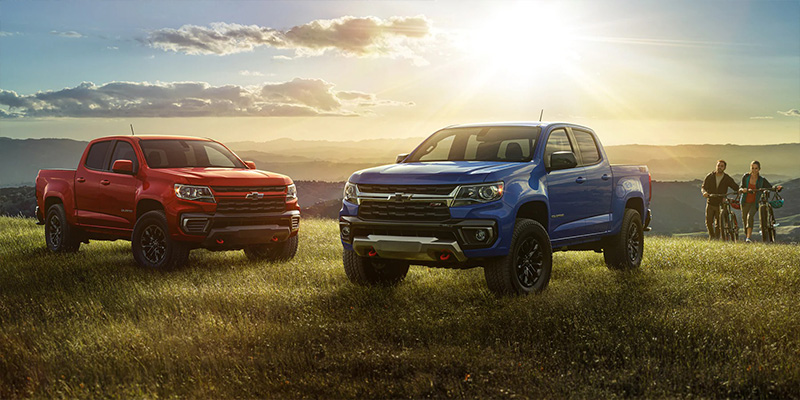
The 2022 Chevy Colorado remains highly searched because it combines three engine choices with midsize truck dimensions. It also sits at an interesting point in the Colorado timeline. Therefore, used truck shoppers can compare familiar V6 and diesel choices against newer TurboMax trucks. In addition, CarBravo gives shoppers another structured route for finding a certified used Colorado.
Why the 2022 Chevy Colorado Still Draws Interest
The 2022 Colorado still draws attention because it offers several engine choices within a manageable midsize footprint. It also marks the final year before Chevrolet introduced the redesigned model. Therefore, used truck shoppers can compare an established generation with newer Colorado options.
The 2022 lineup offered a four cylinder engine, a V6, and a Duramax diesel. Therefore, shoppers can search for a truck that matches lighter errands, stronger passing needs, or frequent trailering. Newer Colorado trucks use one main TurboMax engine family.
Read the rest of this entry »Chevy Truck Towing Comparison: Silverado 1500 vs HD
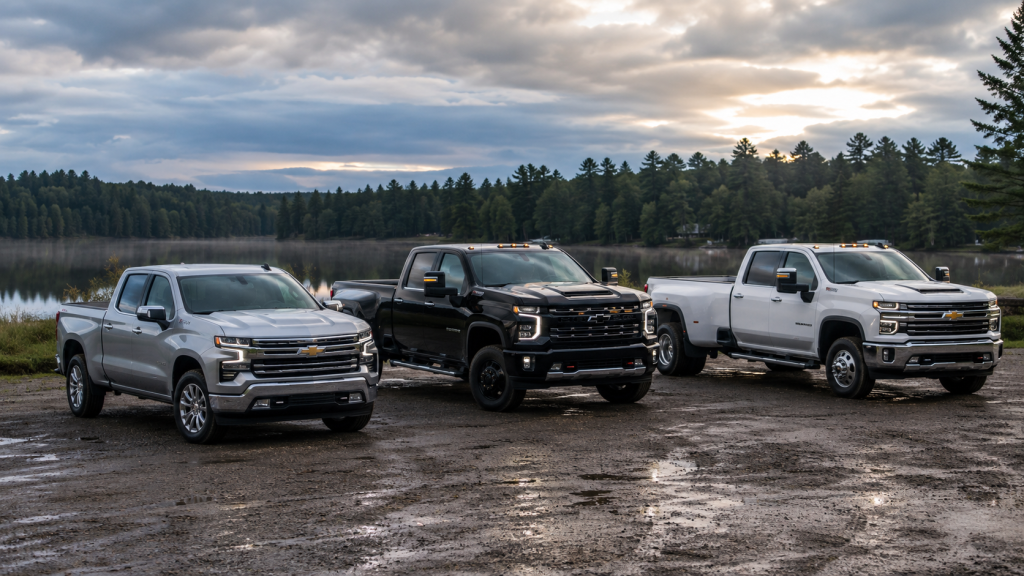
A Chevy truck towing comparison looks straightforward until you get into the details that shape the right answer. Most shoppers start with a towing number, find the truck that clears their threshold, and assume the decision is made. That approach holds up until the first time a loaded trailer, a full cab, and a bed full of gear push the truck past what it can safely handle, even though the window sticker suggested room to spare. Choosing between the Silverado 1500 and the HD lineup means understanding a few things specs alone do not communicate: how you plan to use the truck most days, how payload and towing interact, and what your configuration means for your legal and safe operating limits. For drivers near Marinette shopping at Koehne Chevrolet, this guide walks through each comparison point in the order that makes the decision clearest.
Start With How You Will Use the Truck, Not What It Can Do at Maximum
The most common mistake in a truck comparison is leading with peak numbers. A truck’s maximum tow rating exists under a very specific set of setup variables: a particular cab, a particular bed, a particular engine, and no additional weight beyond the hitch load. Most buyers will never operate under those exact variables, which means the maximum number is a ceiling, not a working figure.
A more useful starting question is how frequently you will ask the truck to do its heaviest work. A buyer who tows a fishing boat to a northern Wisconsin lake a dozen weekends per year has different needs than a contractor who runs a loaded flatbed trailer to job sites five days a week. Both scenarios might point to the same tow rating on paper, but the wear demands, the powertrain load cycle, and the long-term reliability requirements are very different.
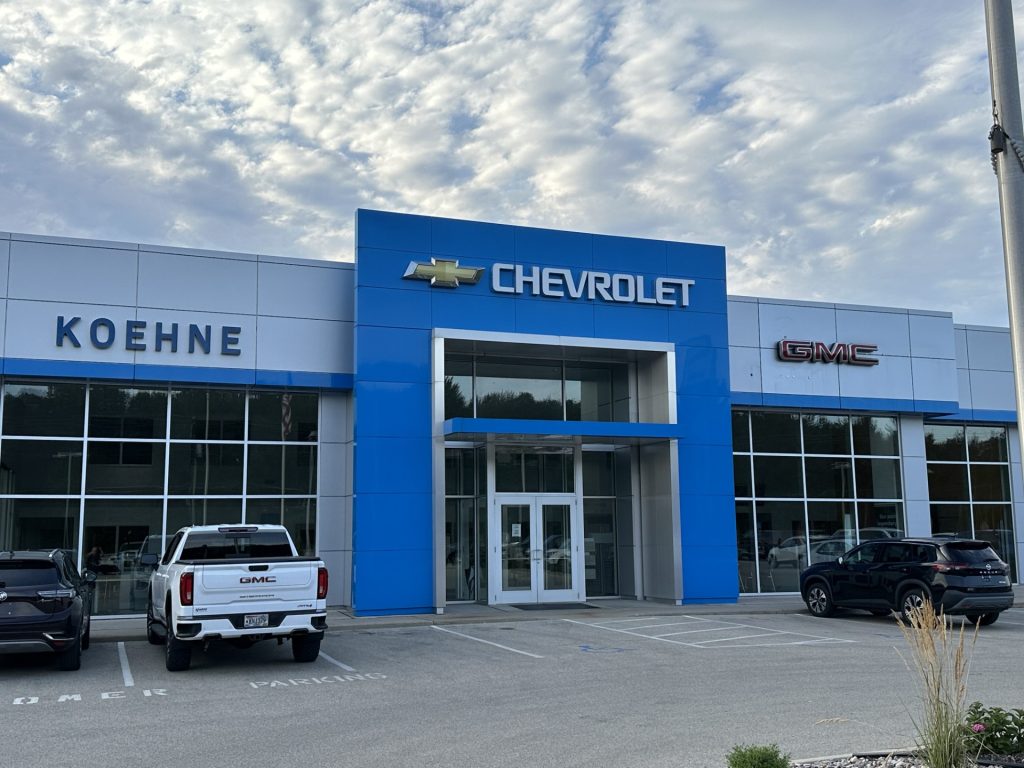
Read the rest of this entry »Finding a trusted local Chevy dealer is one thing. Staying confident in that choice for years afterward is another. For drivers in Marinette, Menominee, and the surrounding area, the relationship with a dealership rarely ends at the point of sale. It continues through every oil change, every warranty question, every trade conversation, and every call you make when something unexpected happens with your vehicle. Koehne Chevrolet has built its reputation across those moments, not just the ones that happen in the showroom. Understanding what makes a smaller-market dealership easier to work with over time comes down to a few things that large-volume stores simply cannot replicate at the same level.
What the First Visit Sets Up
The first transaction at any dealership creates more than a sale record. At a community store, it creates a relationship file that stays active. The salesperson who helped you configure your Silverado or your Equinox is often the same person answering your call six months later when you want to know about trade-in timing or an available incentive. That continuity is not incidental. It is a direct result of the staff structure at a dealership that is not cycling through dozens of new hires each quarter.
At high-volume stores, staff turnover creates a re-explanation problem. Every return visit requires a buyer to rebuild context: what they drive, what they paid, what matters to them. At Koehne, that context stays intact. The team is familiar with your purchase history, your preferences, and your vehicle without requiring you to start from scratch. For buyers who plan to stay in their vehicle for several years and need ongoing access to the dealership, this difference is not subtle. It compounds over time into a noticeably easier experience.
Read the rest of this entry »Many SUV shoppers assume AWD automatically makes a vehicle safer or more capable, but whether you truly need AWD in a Chevy SUV often depends more on climate, driving habits, road conditions, and daily use than drivetrain marketing alone. AWD and FWD systems are engineered differently because they solve traction challenges in different ways. Understanding how those systems distribute power, respond to changing road conditions, and affect long term ownership costs can help drivers choose the drivetrain that fits their real world needs instead of paying for capability they may rarely use.
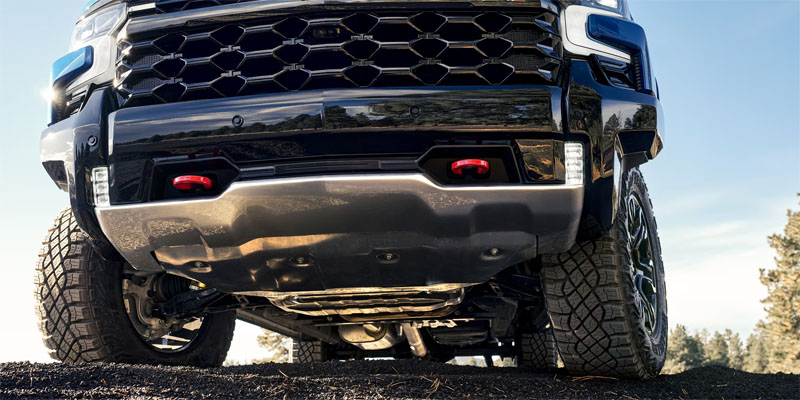
For many drivers, the decision is not simply about whether AWD is better. The better question is when AWD creates a meaningful advantage and when a modern FWD Chevy SUV may already handle daily driving conditions comfortably.
How AWD and FWD Systems Work Differently
The primary difference between AWD and FWD systems involves how engine power reaches the wheels and how the vehicle responds when traction becomes limited.
In a FWD system, power is delivered only to the front wheels. This layout remains common because it reduces drivetrain weight, improves packaging efficiency, and often supports better fuel economy. Front wheel drive vehicles also benefit from having the engine’s weight positioned directly over the driven wheels, which can help improve traction during rain, colder temperatures, and light snow conditions.
Read the rest of this entry »Silverado 1500 and Silverado HD trucks are built for very different workloads, but many truck shoppers are unsure which one makes more sense for the kind of towing, hauling, commuting, and daily driving they realistically do. A larger towing number does not automatically mean a truck is the better long term choice. The right truck usually depends on how weight is carried, how often towing happens, how the truck is driven during normal daily use, and how demanding the workload becomes over time.
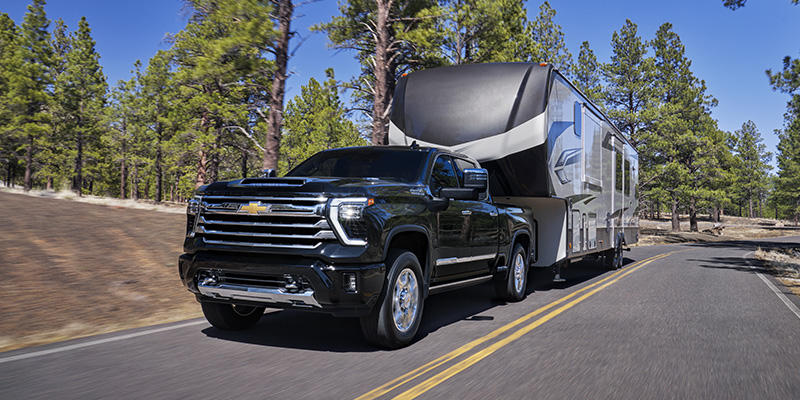
Many buyers comparing Silverado 1500 and Silverado HD models focus almost entirely on maximum towing ratings without fully understanding how suspension systems, frame strength, payload capacity, ride quality, braking behavior, and drivability change between the two truck platforms. Understanding how those systems work together helps drivers choose a truck that matches real ownership needs instead of simply chasing the largest capability numbers available.
What Separates Silverado 1500 and Silverado HD Trucks
Silverado 1500 and Silverado HD trucks may appear similar from the outside, but underneath the body they are engineered around very different operating expectations.
The Silverado 1500 is designed to balance:
Read the rest of this entry »Most Chevy SUV comparisons give you numbers. Horsepower, fuel economy, cargo space. Those details matter, but they don’t always tell you what it’s actually like to live with the vehicle every day. That’s where many shoppers get stuck. You can compare specs across the Chevy Equinox, Chevy Traverse, and Chevy Blazer and still feel unsure which one fits your life.
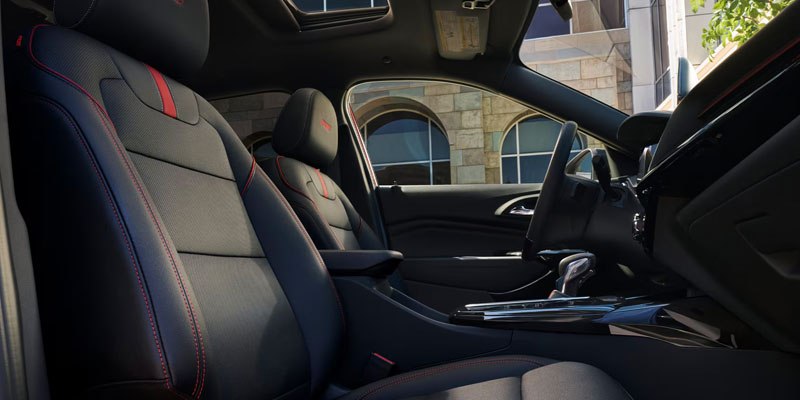
What shoppers are really trying to understand is how those differences show up in real driving situations. How the vehicle feels in traffic. How easy it is to park. Whether the technology actually makes things easier. This guide focuses on what most comparisons leave out so you can make a decision that holds up long after the purchase.
Why Most SUV Comparisons Fall Short
Many shoppers ask what to look for when buying an SUV because traditional comparisons don’t go far enough. They list features without explaining how those features affect daily use.
A spec sheet might tell you the Chevy Blazer has more horsepower than the Chevy Equinox, but it doesn’t explain what that means when merging onto a busy highway or navigating stop and go traffic. It might show cargo space differences between the Chevy Traverse and Chevy Equinox, but it won’t tell you how that impacts loading groceries, strollers, or travel gear.
Read the rest of this entry »What’s the Real Difference Between Chevy SUV Trims and Which One Actually Fits How You Drive?
Choosing between Chevy SUV trims can feel more complicated than it should be. Most shoppers aren’t just asking what LS, LT, RS, and Premier include. They’re trying to understand what those differences actually mean once the vehicle becomes part of their daily routine.
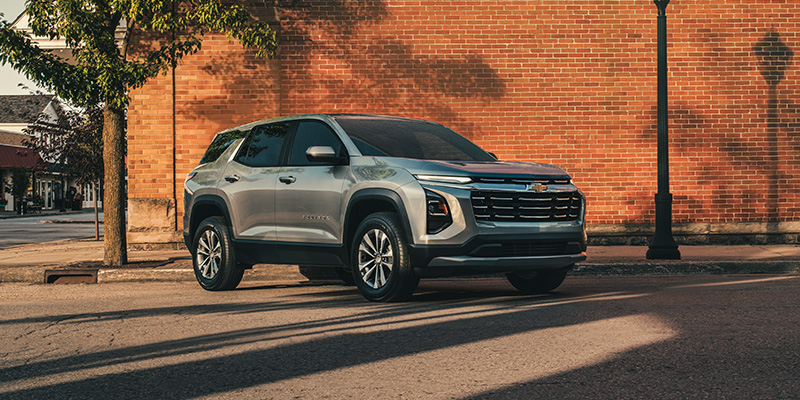
Chevy designs its SUV trims to give you clear progression in comfort, technology, and convenience. The key is understanding how those upgrades show up in real-world driving so you can choose a trim that fits your habits, not just your budget.
How Chevy SUV Trim Levels Are Structured Across the Lineup
Many shoppers researching Chevy SUVs ask what LS, LT, RS, and Premier actually represent. Chevy uses a consistent trim structure across models like the Chevy Equinox, Chevy Traverse, and Chevy Blazer so drivers can easily compare options.
The LS trim is the starting point. It focuses on essential features that support everyday driving, including core safety systems, touchscreen infotainment, and a comfortable cabin layout. The Chevy Equinox LS, for example, is built for drivers who want straightforward capability without added complexity.
Read the rest of this entry »Winter driving conditions in Wisconsin can expose vehicles to freezing temperatures, road salt, snow, and pothole damage. By the time spring arrives, many Chevrolet owners begin wondering what maintenance checks are important after months of cold weather driving. Seasonal inspections help ensure that systems affected by winter conditions continue operating safely and efficiently. Understanding how winter environments influence vehicle components such as the suspension, braking system, battery, and fluids helps drivers identify the most important maintenance checks to perform as temperatures begin to warm.
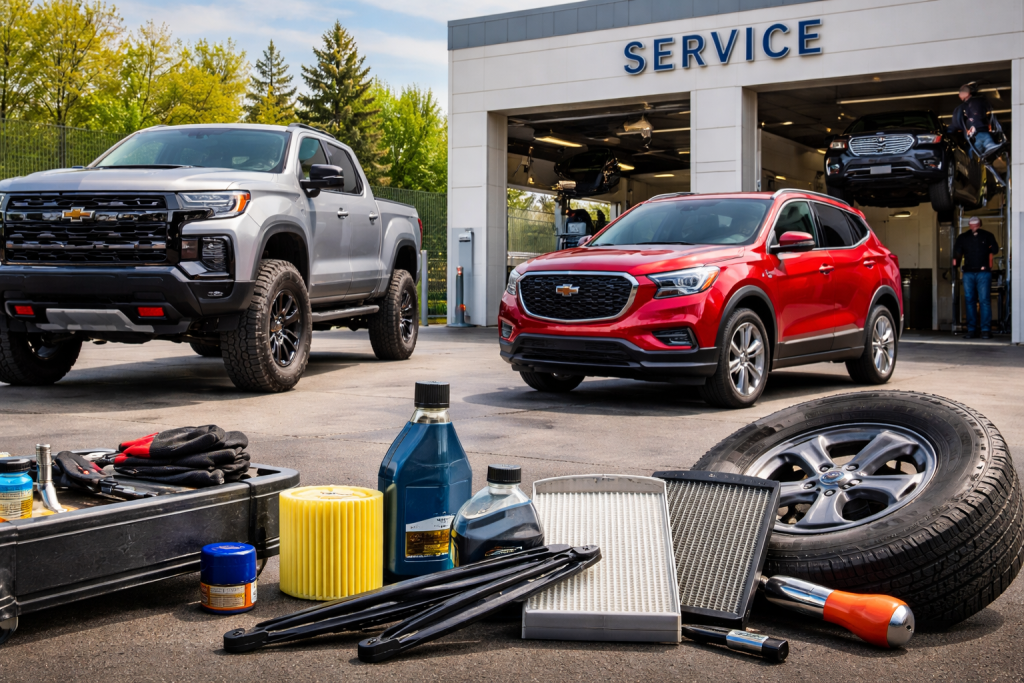
How Winter Road Salt Affects Chevrolet Undercarriage Components
Many drivers ask whether winter road salt can damage a vehicle and why spring inspections often include undercarriage cleaning. Road salt is used extensively during Wisconsin winters to improve road traction, but salt can accelerate corrosion on exposed metal components underneath the vehicle.
Salt lowers the freezing point of water, allowing snow and ice to melt. However, when salt mixes with moisture and oxygen, it creates an electrochemical reaction that speeds up the oxidation process that leads to rust.
The Chevrolet underbody and suspension components most exposed to road salt include:
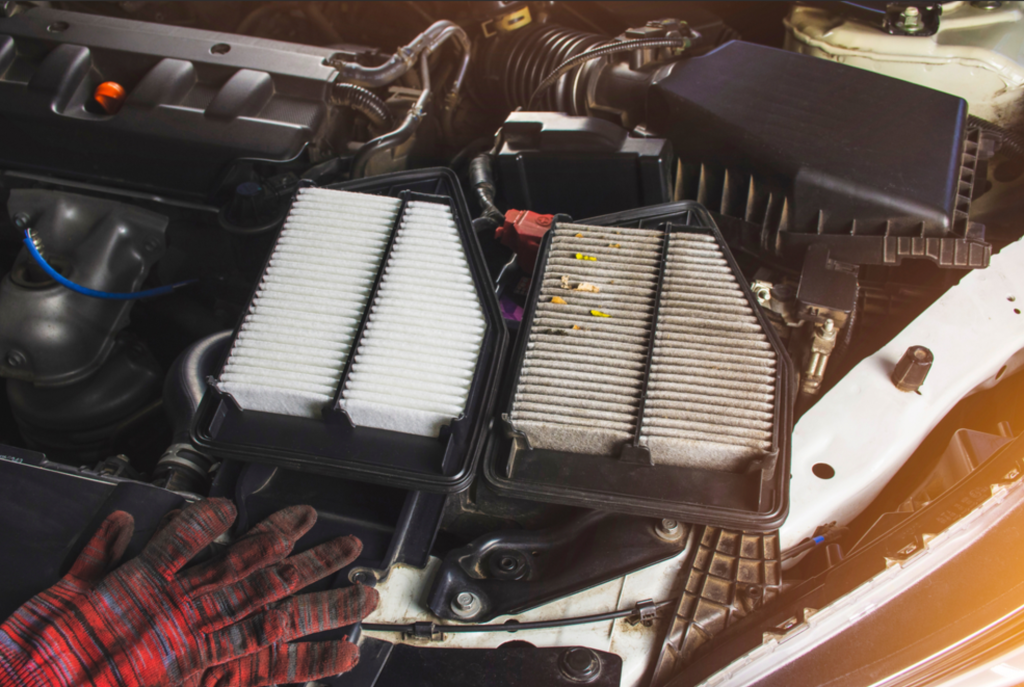
Read the rest of this entry »Many drivers researching vehicle maintenance ask how often a cabin air filter should be replaced and whether it actually affects comfort inside the vehicle. The cabin air filter plays a critical role in the Chevrolet HVAC system by filtering the air that enters the passenger compartment through the heating and air conditioning system. While the component itself is small, its impact on air quality, ventilation performance, and seasonal driving comfort is significant. Understanding how the Chevrolet cabin air filtration system works and when replacement becomes necessary helps drivers maintain proper airflow, protect interior air quality, and ensure the vehicle’s climate control system continues operating efficiently.
How the Chevrolet Cabin Air Filtration System Works
Many drivers researching vehicle maintenance schedules ask what a cabin air filter actually does and how it affects the air inside the vehicle. A cabin air filter is a filtration component installed within the vehicle’s heating, ventilation, and air conditioning system that removes dust, pollen, debris, and airborne contaminants before outside air enters the passenger compartment.
When outside air enters the Chevrolet HVAC system, it first passes through the cabin air filter before reaching the blower motor and ventilation ducts. The filter uses layered fibers designed to capture particulate matter while allowing clean air to flow through the system.
Inside a Chevrolet ventilation system, airflow follows a simple process:
Read the rest of this entry »Connect with us

