





Wisconsin winters are not a single condition. They are a rotating mix of packed snow, glare ice, slush, refreeze cycles, subzero temperatures, and unevenly cleared roads. Choosing the right Chevrolet for these conditions requires understanding how winter driving systems actually work, not just which badge is on the tailgate. Drivetrain layout, electronic control systems, ground clearance, tire behavior, and vehicle weight all play measurable roles in winter performance.
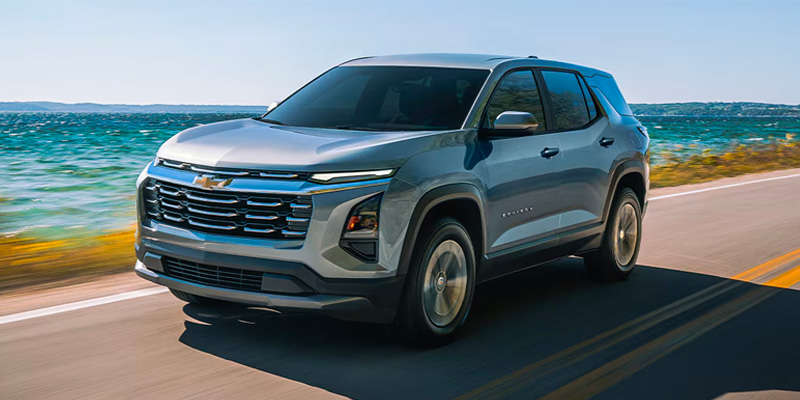
Below is a system focused breakdown of what matters most and which Chevy vehicles are best suited for Wisconsin winter driving.
What Actually Matters for Winter Driving Performance
Before comparing vehicles, it helps to clarify what winter capability really means.
Winter traction is controlled by several interacting systems:
- Tire compound and tread design, which determine grip in cold temperatures
- Drivetrain layout, which affects how torque is delivered during acceleration
- Stability and traction control systems, which manage wheel slip and vehicle balance
- Ground clearance, which determines whether the vehicle can move through deep or drifting snow
- Weight distribution, which affects braking stability and cornering control
No single system works alone. Winter confidence comes from how these components work together.
AWD vs 4WD in Snow and Ice
Many shoppers assume 4WD is always superior to AWD in winter, but that is not always true.
All wheel drive systems, used on many Chevy SUVs and crossovers, are designed for continuous traction management:
- Power is automatically distributed between front and rear wheels
- Systems respond instantly to wheel slip
- No driver input is required to engage traction support
- Ideal for icy roads, slush, and variable conditions
Four wheel drive systems, used on trucks like Silverado and Tahoe, are built for severe conditions:
- Typically driver selectable
- Best for deep snow, unplowed roads, and low speed traction
- Less ideal for mixed pavement and ice when engaged improperly
For most Wisconsin drivers who spend time on plowed roads with intermittent snow and ice, modern Chevy AWD systems provide more consistent control.
Chevrolet Traction and Stability Systems Explained
Chevrolet vehicles rely heavily on electronic control systems to manage winter conditions.
Key systems include:
- Traction Control, which limits wheel spin during acceleration
- Electronic Stability Control, which applies braking to individual wheels to maintain directional control
- Electronic Brake Force Distribution, which adjusts braking pressure based on traction
- Drive Mode Select systems, which alter throttle response and traction thresholds in snow modes
These systems do not increase grip. Instead, they manage available grip more efficiently, reducing loss of control during acceleration, braking, and cornering. In icy conditions, this electronic intervention is often the difference between controlled movement and a slide.
Why Tires Matter More Than Drivetrain Alone
Even the best AWD system cannot overcome poor tire performance.
Cold temperatures harden standard all season tires, reducing traction even on dry pavement. Winter rated tires remain flexible in freezing conditions and significantly improve:
- Braking distance on ice and snow
- Steering response during cornering
- Stability during sudden maneuvers
Wisconsin drivers who pair AWD or 4WD Chevys with winter capable tires see dramatically better real world winter performance than drivetrain alone.
Best Chevy SUVs for Wisconsin Winter Driving
Chevy SUVs offer a strong balance of traction systems, ride height, and winter focused technology.
Chevrolet Equinox AWD
- AWD system optimized for on road winter conditions
- Lower center of gravity improves ice handling
- Lighter weight aids braking control
- Excellent choice for daily commuting and urban driving
Chevrolet Blazer AWD
- Advanced AWD with torque vectoring capability
- Strong stability control tuning
- Wider stance improves cornering stability on ice
- Well suited for highway winter travel
Chevrolet Traverse AWD
- Larger platform with intelligent AWD engagement
- Higher ground clearance for snow accumulation
- Stable braking performance due to longer wheelbase
- Ideal for families traveling in winter conditions
Chevrolet Tahoe and Suburban 4WD
- Full size platforms with selectable 4WD
- Excellent for rural roads and unplowed conditions
- High ground clearance handles deep snow
- Heavier weight requires careful braking technique on ice
Chevy Trucks and Severe Winter Use
For drivers in rural Wisconsin or areas with limited snow removal, Chevy trucks provide unmatched capability.
Chevrolet Silverado 4WD
- Robust part time 4WD system
- High torque delivery for deep snow traction
- Snow mode integration improves throttle control
- Best paired with proper winter or all terrain tires
Trucks excel when snow depth and terrain variability increase, but they require disciplined use of 4WD to avoid reduced steering control on ice.
SUV vs Car in Wisconsin Winters
SUVs are not automatically safer in winter, but they offer advantages:
- Higher ground clearance prevents snow buildup under the vehicle
- AWD availability across more models
- Better visibility in snow conditions
Chevy sedans with front wheel drive can perform well in winter with proper tires, but deep snow and rural conditions favor SUVs.
What Wisconsin Drivers Should Prioritize
When choosing a Chevy for winter driving, focus on:
- AWD or 4WD based on road conditions, not marketing
- Stability control and traction systems as standard equipment
- Tire quality and winter compound availability
- Ground clearance appropriate for snow accumulation levels
- Vehicle weight balance and braking confidence
Chevrolet’s lineup offers winter capable options across SUVs and trucks, but the best choice depends on how and where you drive during Wisconsin’s harshest months.
Final Ownership Perspective
Winter driving confidence is built through system interaction, not a single feature. Chevrolet’s modern AWD, traction management, and stability systems are engineered to support real world winter driving when paired with proper tires and informed use. Understanding how these systems work allows Wisconsin drivers to choose vehicles that deliver consistent control, predictable handling, and confidence through the most demanding months of the year.
Connect with us

