





Choosing between Chevy SUV trims can feel more complicated than it should be. Most shoppers aren’t just asking what LS, LT, RS, and Premier include. They’re trying to understand what those differences actually mean once the vehicle becomes part of their daily routine.
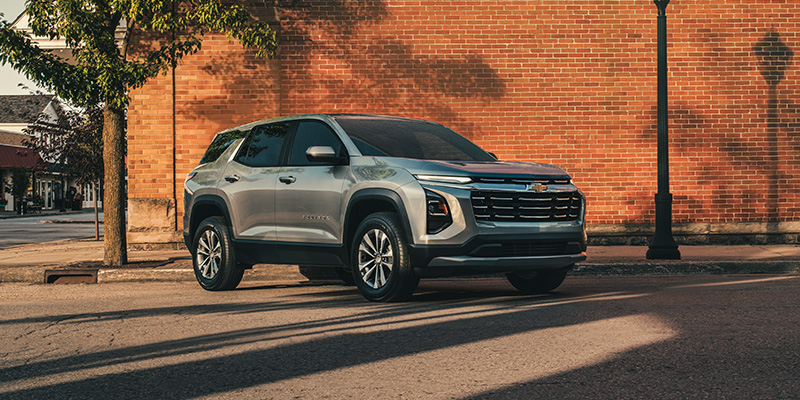
Chevy designs its SUV trims to give you clear progression in comfort, technology, and convenience. The key is understanding how those upgrades show up in real-world driving so you can choose a trim that fits your habits, not just your budget.
How Chevy SUV Trim Levels Are Structured Across the Lineup
Many shoppers researching Chevy SUVs ask what LS, LT, RS, and Premier actually represent. Chevy uses a consistent trim structure across models like the Chevy Equinox, Chevy Traverse, and Chevy Blazer so drivers can easily compare options.
The LS trim is the starting point. It focuses on essential features that support everyday driving, including core safety systems, touchscreen infotainment, and a comfortable cabin layout. The Chevy Equinox LS, for example, is built for drivers who want straightforward capability without added complexity.
The LT trim builds on that foundation by adding more convenience and connectivity. In the Chevy Traverse LT, this often includes upgraded interior materials, additional driver assistance features, and more flexibility in how the vehicle fits into daily life.
The RS trim shifts the focus toward design and presence. Many shoppers ask what the RS trim actually adds. The Chevy Blazer RS, for example, introduces sport-inspired styling elements like blacked-out accents and unique wheels, along with select interior upgrades that create a more expressive look.
The Premier trim represents the highest level of refinement in most Chevy SUVs. The Chevy Traverse Premier adds advanced safety systems, premium interior materials, and enhanced comfort features designed to improve long-distance driving and everyday convenience.
What Actually Changes Between LS, LT, RS, and Premier
Shoppers often ask what the real difference is between Chevy trims beyond price. The most important distinction is that not all upgrades affect your experience the same way.
Some upgrades are functional, meaning they improve how the vehicle works in everyday use. Others are visual, changing how the vehicle looks but not how it performs.
Functional upgrades you’ll typically see as you move from Chevy LS to LT and Premier trims include
• Expanded driver assistance features like blind zone alerts or rear cross traffic alerts
• Larger or more responsive infotainment systems
• Additional charging ports and connectivity options
• Power-adjustable seating and climate control enhancements
Visual or design-focused upgrades are more common in trims like the Chevy RS and can include
• Black exterior accents and trim-specific styling
• Unique wheel designs
• Sport-inspired interior finishes
Understanding this difference helps prevent a common mistake. Many buyers assume every trim upgrade improves the driving experience in the same way, when in reality some upgrades are about appearance while others directly impact comfort and usability.
How Chevy SUV Trim Levels Affect Daily Driving
When shoppers ask if LT is worth it over LS, what they’re really asking is how much their daily drive will change.
The Chevy Equinox LT adds features that reduce small inconveniences over time. Power driver seat adjustments make it easier to find a comfortable position. Additional driver assistance systems provide more awareness in traffic. These changes may seem minor at first, but they add up during daily commuting.
The Chevy Traverse Premier goes further by improving long-distance comfort. Features like advanced climate control and upgraded seating materials make extended drives more comfortable for both drivers and passengers.
The Chevy Blazer RS, while more focused on styling, can still influence how the vehicle feels to own. A more distinctive design often appeals to drivers who want their vehicle to reflect personal style, even if the driving dynamics remain similar to lower trims.
Where Chevy Trim Upgrades Add Real Value
Many shoppers hesitate because they don’t want to overpay for features they won’t use. The value of a trim upgrade depends on how often you’ll interact with those features.
Trim upgrades tend to provide the most value when they improve things you use every day. That includes
• Seating comfort during long or frequent drives
• Visibility and awareness through driver assistance systems
• Ease of use with infotainment and connectivity features
• Cabin convenience such as power liftgates or remote start
Upgrades that are more design-focused, like those in the Chevy RS trim, tend to provide value through personal preference rather than functional benefit. For some drivers, that added style is worth it. For others, it may not change their ownership experience enough to justify the cost.
The Chevy Premier trim often delivers the strongest value for drivers who prioritize comfort and convenience, especially if the vehicle is used for family travel or longer trips.
How to Choose the Right Chevy SUV Trim for How You Drive
Many shoppers searching for Chevy trim levels are ultimately asking which one they should buy. The answer depends less on the vehicle itself and more on how you plan to use it.
If your driving is mostly short commutes and everyday errands, the Chevy LS trim provides the essentials without unnecessary upgrades.
If you spend more time in your vehicle or want added convenience, the Chevy LT trim offers a balanced step up with features that improve daily usability.
If design and visual presence matter most to you, the Chevy RS trim delivers a more distinctive look while maintaining the same core functionality.
If comfort, advanced safety, and long-term convenience are priorities, the Chevy Premier trim provides the most complete experience.
The goal is not to choose the highest trim. It’s to choose the one that aligns with how you actually drive.
Final Thoughts on Chevy SUV Trim Differences
Chevy SUV trims are designed to give you options that match real life, not just a list of features. LS, LT, RS, and Premier each serve a purpose, but the best choice comes down to understanding how those differences show up once you’re behind the wheel.
When you focus on how features impact your daily routine instead of just comparing specs, the decision becomes much clearer. You’re not just choosing a trim level. You’re choosing how your vehicle supports your day to day driving experience.
Connect with us

