





Most Chevy SUV comparisons give you numbers. Horsepower, fuel economy, cargo space. Those details matter, but they don’t always tell you what it’s actually like to live with the vehicle every day. That’s where many shoppers get stuck. You can compare specs across the Chevy Equinox, Chevy Traverse, and Chevy Blazer and still feel unsure which one fits your life.
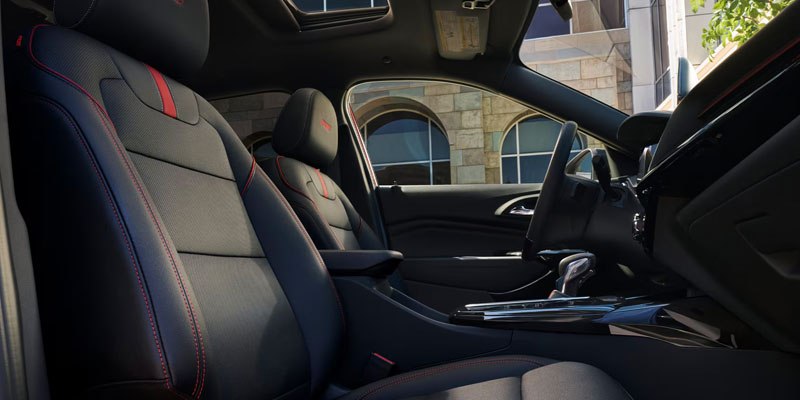
What shoppers are really trying to understand is how those differences show up in real driving situations. How the vehicle feels in traffic. How easy it is to park. Whether the technology actually makes things easier. This guide focuses on what most comparisons leave out so you can make a decision that holds up long after the purchase.
Why Most SUV Comparisons Fall Short
Many shoppers ask what to look for when buying an SUV because traditional comparisons don’t go far enough. They list features without explaining how those features affect daily use.
A spec sheet might tell you the Chevy Blazer has more horsepower than the Chevy Equinox, but it doesn’t explain what that means when merging onto a busy highway or navigating stop and go traffic. It might show cargo space differences between the Chevy Traverse and Chevy Equinox, but it won’t tell you how that impacts loading groceries, strollers, or travel gear.
The gap is not in the information itself. It is in the lack of translation. Without context, it is difficult to understand which differences actually matter.
How Performance Specs Translate to Real Driving
Many shoppers comparing SUVs ask whether horsepower or torque matters more. Performance specs are useful, but only when you understand how they affect real driving behavior.
Horsepower is tied to how a vehicle builds speed over time. Torque is what helps you move from a stop and accelerate quickly. In everyday driving, torque is often what you feel first, especially in city traffic or when entering the highway.
In the Chevy Equinox, the balance of power and efficiency is designed for commuting and steady driving. It provides enough responsiveness for daily use without prioritizing aggressive acceleration.
The Chevy Blazer offers more available power, which becomes noticeable during highway merging and passing. Drivers who spend more time on open roads or want a stronger sense of acceleration may feel that difference more clearly.
The Chevy Traverse focuses on maintaining smooth performance even with passengers and cargo. Its setup is designed to keep the vehicle feeling stable and controlled, even when fully loaded.
When comparing performance, the key is not which number is higher. It is whether the vehicle responds the way you expect in the situations you experience most often.
What Safety Features Actually Do in Real Situations
Safety is one of the most important factors for SUV buyers, but many comparisons only list features without explaining how they work.
What is blind zone alert?
Blind zone alert is a driver assistance system that monitors areas beside and slightly behind your vehicle and provides a visual warning if another vehicle is detected where you may not see it.
In the Chevy Traverse and Chevy Equinox, systems like blind zone alert and rear cross traffic alert help reduce uncertainty in common situations like lane changes or backing out of parking spaces.
Forward collision alert and automatic emergency braking add another layer of support. These systems monitor traffic ahead and can warn you or apply braking if a potential collision is detected.
These features matter most in moments where attention is divided. Heavy traffic, tight parking lots, and unpredictable driving environments. Understanding when they activate helps you evaluate their value more clearly.
How SUV Size Impacts Your Daily Routine
One of the most overlooked factors in SUV comparisons is size. Many shoppers assume larger means better, but that is not always the case.
The Chevy Equinox is a compact SUV, which makes it easier to maneuver in tight spaces, navigate city streets, and park in crowded areas. For drivers who spend most of their time commuting or running errands, this size often feels more practical.
The Chevy Blazer sits in the middle, offering more interior space while still maintaining manageable handling. It can provide a balance between passenger comfort and everyday usability.
The Chevy Traverse is designed for maximum passenger and cargo capacity. It works well for families or drivers who regularly travel with multiple passengers. However, its larger size can require more awareness when parking or navigating smaller roads.
Choosing the right size is less about maximizing space and more about matching how and where you drive.
What Actually Matters for Long Term Ownership
Many shoppers ask if SUVs are expensive to maintain. The answer depends on how well the vehicle aligns with your needs over time.
Long term ownership is influenced by how often you use certain features and how well the vehicle supports your routine. Features that improve daily comfort and convenience tend to provide the most consistent value.
When evaluating long term ownership, focus on factors like
• How comfortable the seating is during extended drives
• How intuitive the infotainment system feels during regular use
• How helpful driver assistance features are in your typical driving conditions
• How well the cargo space fits your weekly needs
The Chevy Equinox often appeals to drivers looking for efficiency and simplicity. The Chevy Traverse supports larger households and more complex travel needs. The Chevy Blazer offers a balance of design and performance for drivers who want a more expressive experience.
The goal is not to find the SUV with the most features. It is to find the one where the features you use most often are the ones that matter.
How to Evaluate Chevy SUVs with More Confidence
Many shoppers comparing SUVs are trying to avoid making the wrong decision. The best way to do that is to shift your focus from features to function.
Instead of asking which SUV has more, ask how each one supports your daily routine. Pay attention to how the vehicle feels when you drive it, how easy it is to interact with its systems, and how well it fits into your environment.
When you evaluate SUVs through that lens, the differences between models like the Chevy Equinox, Chevy Traverse, and Chevy Blazer become much clearer. You are no longer comparing specs. You are choosing a vehicle that fits your life.
Connect with us

