





Many drivers researching vehicle maintenance ask how often a cabin air filter should be replaced and whether it actually affects comfort inside the vehicle. The cabin air filter plays a critical role in the Chevrolet HVAC system by filtering the air that enters the passenger compartment through the heating and air conditioning system. While the component itself is small, its impact on air quality, ventilation performance, and seasonal driving comfort is significant. Understanding how the Chevrolet cabin air filtration system works and when replacement becomes necessary helps drivers maintain proper airflow, protect interior air quality, and ensure the vehicle’s climate control system continues operating efficiently.
How the Chevrolet Cabin Air Filtration System Works
Many drivers researching vehicle maintenance schedules ask what a cabin air filter actually does and how it affects the air inside the vehicle. A cabin air filter is a filtration component installed within the vehicle’s heating, ventilation, and air conditioning system that removes dust, pollen, debris, and airborne contaminants before outside air enters the passenger compartment.
When outside air enters the Chevrolet HVAC system, it first passes through the cabin air filter before reaching the blower motor and ventilation ducts. The filter uses layered fibers designed to capture particulate matter while allowing clean air to flow through the system.
Inside a Chevrolet ventilation system, airflow follows a simple process:
• Outside air is drawn into the HVAC intake near the windshield.
• The Chevrolet cabin air filter captures dust, pollen, and airborne debris.
• Clean air passes through the blower motor and climate control ducts.
• Conditioned air is delivered through the interior vents.
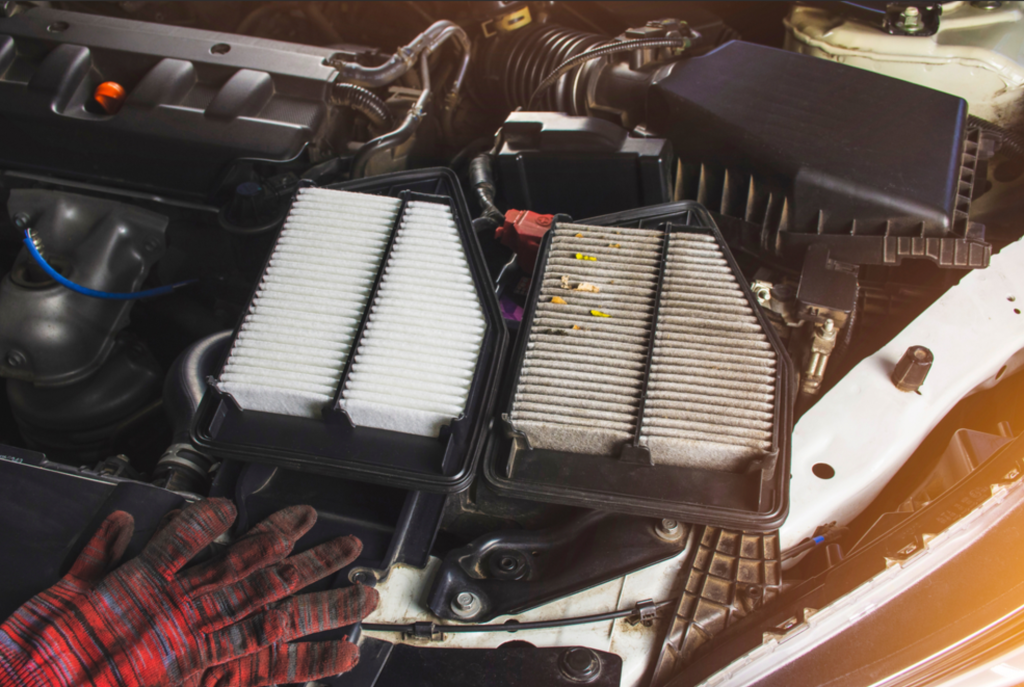
Because every air intake cycle passes through the cabin filter, contaminants gradually accumulate inside the filter media. As debris builds up, airflow becomes restricted and the ventilation system must work harder to move air through the clogged filter.
For drivers, this means a neglected cabin air filter can reduce airflow through the vents and affect heating and cooling performance.
Recommended Cabin Air Filter Replacement Intervals
One of the most common maintenance questions drivers ask is how often the cabin air filter should be replaced. Most Chevrolet maintenance schedules recommend replacing the cabin air filter approximately every 15,000 to 25,000 miles under typical driving conditions.
However, replacement intervals can vary depending on the environment in which the vehicle is driven. Areas with high pollen levels, construction dust, or seasonal debris can cause filters to accumulate contaminants more quickly.
Several environmental factors influence how frequently a Chevrolet cabin air filter may require replacement:
• Spring pollen levels that introduce airborne allergens into the ventilation system
• Dust and road debris encountered during everyday driving
• Urban pollution and particulate matter from traffic
• Winter road salt and fine debris carried into air intakes
• Driving in rural areas with unpaved roads or agricultural dust
Because the cabin air filter directly affects ventilation airflow, many drivers notice improved HVAC performance immediately after replacing a clogged filter.
Signs Your Cabin Air Filter May Need Replacement
Drivers often ask how to recognize when a cabin air filter needs replacement. Over time, accumulated debris reduces the filter’s ability to pass air through the HVAC system efficiently. This restriction can produce several noticeable symptoms inside the vehicle.
Common signs that the Chevrolet cabin air filter may be clogged include:
• Reduced airflow from dashboard vents even when the fan speed is high
• Musty or dusty odors when the HVAC system is running
• Increased dust accumulation on interior surfaces
• Noisy airflow caused by the blower motor working harder
• Longer cooling or heating times when adjusting climate settings
When airflow resistance increases inside the ventilation system, the blower motor must push harder to move air through the clogged filter. While the HVAC system is designed to handle normal airflow resistance, excessive buildup inside the filter can reduce system efficiency.
Replacing the cabin air filter restores normal airflow through the Chevrolet HVAC system and helps the ventilation system operate as intended.
Why Cabin Air Filters Matter for Interior Air Quality
Another question drivers frequently ask is whether the cabin air filter actually improves air quality inside the vehicle. Modern Chevrolet cabin air filtration systems are designed to capture a wide range of airborne particles before they enter the passenger compartment.
These filters help remove contaminants such as pollen, dust, mold spores, and fine debris that can circulate through the ventilation system.
The benefits of proper cabin air filtration include:
• Reduced exposure to seasonal allergens while driving
• Cleaner interior air circulation during daily commutes
• Less dust buildup inside the cabin
• Improved comfort during allergy seasons
For drivers who spend significant time commuting or traveling with passengers, maintaining the Chevrolet cabin air filter ensures the ventilation system continues delivering filtered air rather than circulating airborne contaminants.
How a Dirty Cabin Air Filter Affects HVAC Performance
Many drivers researching weak airflow from their vehicle vents ask whether a dirty cabin air filter can affect air conditioning performance. Because the Chevrolet HVAC system relies on steady airflow to distribute heated or cooled air, a clogged cabin air filter can directly influence how efficiently the climate control system operates.
When debris restricts airflow through the filter, the ventilation system must compensate by increasing blower motor effort to maintain airflow. This resistance can reduce the volume of air reaching the cabin vents.
As airflow becomes restricted, drivers may notice:
• Weaker airflow from dashboard vents
• Slower cabin cooling during hot weather
• Reduced heating performance during winter driving
• Increased strain on the ventilation system blower motor
Replacing a clogged cabin air filter restores unrestricted airflow through the HVAC system, allowing the climate control system to circulate conditioned air more effectively throughout the cabin.
Because the cabin air filter directly affects ventilation performance, replacing it during seasonal maintenance helps maintain both interior comfort and HVAC efficiency.
Regular inspection of the Chevrolet cabin air filter ensures the vehicle’s ventilation system continues delivering clean air and proper airflow throughout the year.
Connect with us

