





Silverado 1500 and Silverado HD trucks are built for very different workloads, but many truck shoppers are unsure which one makes more sense for the kind of towing, hauling, commuting, and daily driving they realistically do. A larger towing number does not automatically mean a truck is the better long term choice. The right truck usually depends on how weight is carried, how often towing happens, how the truck is driven during normal daily use, and how demanding the workload becomes over time.
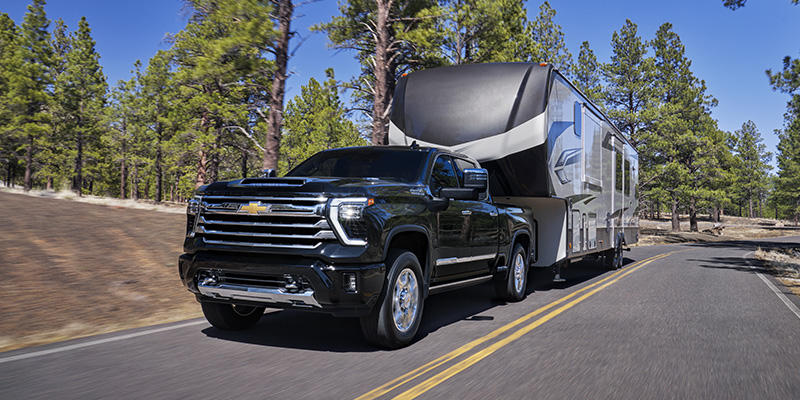
Many buyers comparing Silverado 1500 and Silverado HD models focus almost entirely on maximum towing ratings without fully understanding how suspension systems, frame strength, payload capacity, ride quality, braking behavior, and drivability change between the two truck platforms. Understanding how those systems work together helps drivers choose a truck that matches real ownership needs instead of simply chasing the largest capability numbers available.
What Separates Silverado 1500 and Silverado HD Trucks
Silverado 1500 and Silverado HD trucks may appear similar from the outside, but underneath the body they are engineered around very different operating expectations.
The Silverado 1500 is designed to balance:
- towing capability
- payload flexibility
- daily drivability
- ride comfort
- fuel efficiency
- maneuverability
for drivers who may use the truck as both a work vehicle and a personal daily driver.
The Silverado HD lineup, including Silverado 2500 HD and Silverado 3500 HD models, is engineered more heavily around:
- sustained towing loads
- commercial workloads
- larger trailer stability
- heavier payload handling
- long duration hauling demands
Those differences start with the frame itself. Silverado HD trucks use reinforced frame structures, heavier axle assemblies, stronger suspension calibration, and upgraded cooling systems designed to manage higher stress loads repeatedly over time.
This affects how the truck behaves mechanically during:
- towing
- braking
- acceleration
- weight transfer
- trailer control
especially under heavier workloads.
For example, a Silverado 1500 towing a mid size camper occasionally may still feel composed and comfortable during unloaded driving throughout the week. A Silverado HD towing the same trailer may feel firmer, heavier, and less refined during normal commuting because the suspension is calibrated around much larger weight expectations.
That distinction matters because truck capability is not only about what the truck can tow once. It is also about how the truck behaves during the other 90 percent of ownership.
Why Payload and Towing Capacity Are Not the Same Thing
One of the biggest misconceptions among truck shoppers is assuming towing capacity tells the entire story. In reality, payload capacity often becomes just as important during real world truck use.
Towing capacity refers to how much weight the truck can pull behind it. Payload capacity refers to how much weight the truck itself can safely carry.
Payload includes:
- passengers
- cargo
- toolboxes
- bed loads
- trailer tongue weight
- aftermarket equipment
This is where many truck decisions become more complicated than simply choosing the truck with the highest towing number.
For example, a Silverado 1500 towing a travel trailer may still operate comfortably within towing limits, but additional cargo, passengers, and tongue weight may push payload capacity closer to its maximum.
Silverado HD trucks are engineered differently because heavier suspension systems, axle strength, and frame reinforcement allow them to manage larger combined loads more consistently.
This becomes important for drivers who regularly haul:
- enclosed equipment trailers
- construction materials
- heavy fifth wheel campers
- landscaping equipment
- skid steers
- worksite cargo
Payload management also affects stability. Trucks carrying heavier loads need suspension systems capable of controlling:
- body movement
- trailer sway
- braking balance
- steering response
under higher stress conditions.
Many competing truck comparison articles mention towing numbers without explaining how payload changes the real ownership equation. That often leads buyers to underestimate how quickly combined weight adds up during work or towing situations.
How Daily Driving Changes the Best Truck Choice
Truck capability matters, but so does how the truck behaves during everyday driving when it is not towing or hauling.
This is one reason Silverado 1500 models often make more sense for buyers who:
- commute regularly
- park in tighter spaces
- use the truck as family transportation
- tow occasionally instead of constantly
- prioritize ride comfort
- spend more time unloaded than loaded
Silverado 1500 suspension systems are generally tuned to provide a smoother unloaded ride because the truck is designed to balance versatility with comfort.
Silverado HD trucks behave differently because their heavier suspension systems are engineered to remain stable under significantly larger loads. Without heavy weight applied, that suspension calibration may feel:
- firmer
- stiffer
- heavier during braking
- less compliant over rough pavement
HD trucks may also:
- require wider turning space
- feel larger during parking
- ride differently over uneven roads
- accelerate differently when unloaded
This does not mean Silverado HD trucks are uncomfortable. It means they are optimized around a different operational purpose.
For example, a contractor towing equipment every day may benefit from the stability and durability of a Silverado HD. Meanwhile, a driver towing a fishing boat on weekends while commuting daily may find Silverado 1500 ownership more balanced overall.
Daily driving behavior often becomes one of the biggest deciding factors separating practical truck ownership from unnecessary overbuying.
When a Silverado HD Makes More Sense for Real Workloads
There are situations where Silverado HD capability becomes the smarter long term choice.
Drivers who regularly handle:
- large equipment trailers
- commercial towing
- heavy construction payloads
- large campers
- horse trailers
- multi vehicle hauling
may benefit substantially from the structural advantages built into Silverado HD trucks.
Those advantages include:
- stronger rear axle assemblies
- reinforced frames
- upgraded cooling systems
- heavier brakes
- suspension systems designed for sustained load management
Under heavier workloads, these systems help improve:
- towing stability
- brake confidence
- drivetrain durability
- temperature management
- long duration towing control
This matters especially for drivers towing through:
- steep elevation changes
- long highway distances
- hot summer temperatures
- repeated stop and go traffic
- construction environments
Silverado HD trucks are designed to maintain composure under those repeated stress conditions more consistently than light duty trucks engineered around broader versatility.
For some business owners, the additional capability also supports future workload flexibility. A growing landscaping business, construction operation, or equipment hauling setup may eventually outgrow a light duty truck faster than expected.
The key difference is whether the workload is:
- occasional
- moderate
- sustained
- repetitive
- commercially demanding
because truck systems are engineered differently depending on how consistently those loads are expected to occur.
Why Many Truck Shoppers Overbuy Capability
Many buyers assume more capability automatically creates a better ownership experience, but that is not always how truck ownership works in practice.
Capability comes with tradeoffs involving:
- ride stiffness
- vehicle size
- ownership cost
- tire expense
- maneuverability
- fuel consumption
This is one reason many Silverado 1500 owners ultimately find their trucks fully capable for:
- recreational towing
- homeowner projects
- light contractor work
- family travel
- boat towing
- ATV trailers
- moderate payload hauling
without needing the heavier engineering of an HD platform.
Modern Silverado 1500 trucks already provide substantial towing and hauling capability compared with older truck generations. Many drivers searching “Silverado 1500 vs HD” are often surprised to realize their real world needs fall well within light duty capability ranges.
The best truck choice usually comes from evaluating:
- how often towing happens
- how heavy the loads are in real use
- how the truck is used daily
- whether commercial use is involved
- how important ride comfort remains
rather than simply choosing the highest capability number available.
For many buyers, the smartest truck is not necessarily the biggest truck. It is the truck whose systems, workload expectations, daily drivability, and long term ownership behavior align most closely with how the vehicle will be used day to day.
Connect with us

