





The 2025 Chevrolet Tahoe is a full size SUV designed to handle multiple demands at once, including passenger space, cargo flexibility, towing capability, and long distance comfort. What makes it worth evaluating is not just the size or power, but how its systems work together to support different types of drivers. Understanding how seating, engines, towing systems, technology, and suspension function as a complete system helps determine whether the Tahoe fits your daily driving, family needs, and long term ownership expectations.
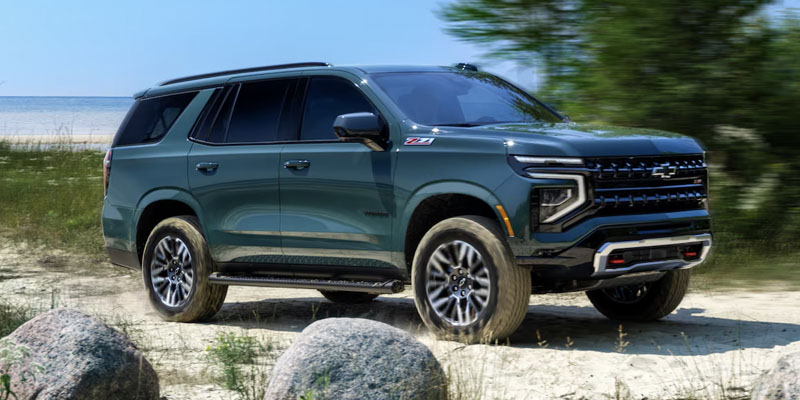
How the 2025 Chevrolet Tahoe handles family space and cargo flexibility
The 2025 Chevrolet Tahoe uses a three row layout combined with a flexible cargo system, which means the cabin can shift between carrying passengers and supporting larger items. For shoppers asking whether the Tahoe is large enough for family use, the direct answer is that it is built for families who need regular third row access, strong cargo flexibility, and easier daily maneuverability than a longer SUV.
The technical value comes from how the second and third rows work together. When the seats are upright, the Tahoe supports passenger-focused travel. When cargo needs increase, the folding seat structure opens more usable space for luggage, sports gear, home project supplies, or road trip equipment. This matters because family SUV shoppers rarely use the vehicle one way all the time.
The key evaluation points are:
- How often all three rows will be occupied
- How much cargo space is needed when the third row is in use
- Whether daily parking and maneuverability matter more than maximum cargo length
- Whether a larger SUV like the Suburban would be necessary for frequent full-passenger travel with heavy cargo
For many drivers, the Tahoe provides the right balance. It offers substantial interior room without automatically moving into the added length of a Suburban.
Which 2025 Tahoe engine fits how you drive
The 2025 Chevrolet Tahoe offers multiple engine options, and each one changes the SUV’s driving character. Shoppers often ask which Tahoe engine is best, but the better question is which engine fits the way the vehicle will be used. Engine choice should be based on daily driving, towing needs, highway travel, and how much response the driver expects from a full size SUV.
The 5.3L V8 functions as the balanced option. It supports everyday family driving, commuting, and moderate towing with a familiar power delivery. For many Tahoe shoppers, this engine makes sense because it delivers capability without pushing the vehicle toward maximum output.
The 6.2L V8 is better suited for drivers who want stronger acceleration and a more responsive feel. That difference becomes more noticeable when merging onto highways, passing at speed, or driving with passengers and cargo. It is not just about having more power. It is about how easily the Tahoe responds when the driver asks for more.
The available 3.0L Duramax Turbo Diesel is focused on torque and efficiency. Torque helps the Tahoe move weight with less strain, which can be useful for towing, long distance driving, and steady highway travel. Buyers should evaluate whether they need that low-end pulling strength or whether a V8 better fits their routine.
How towing capability works in the Tahoe and what to evaluate
Towing in the 2025 Chevrolet Tahoe is not defined by one number alone. Towing capability is the combined result of engine output, trailer equipment, braking control, visibility systems, and suspension behavior. For shoppers asking how much towing capability they need, the direct answer is that towing should be evaluated by trailer type, towing frequency, and driver confidence, not just maximum capacity.
The Tahoe can support recreational towing needs such as boats, small campers, and utility trailers when properly equipped. What matters is how the SUV manages the trailer once it is attached. A powerful engine helps with movement, but driver confidence also depends on visibility, braking behavior, and stability.
Trailering technology matters because it reduces some of the most stressful parts of towing. Camera views can help with alignment and awareness. Trailer-focused alerts can help account for the added length behind the SUV. Integrated systems help the Tahoe feel more controlled when the trailer changes how the vehicle accelerates, turns, and stops.
Before choosing a Tahoe configuration for towing, shoppers should evaluate:
- The loaded weight of the trailer
- How often towing will happen
- Whether highway towing or local towing is more common
- Whether trailering camera views and alerts would reduce stress
- Which engine best matches the towing routine
This is where the Tahoe becomes more than a large family SUV. It becomes a vehicle that can support both daily use and recreational capability when configured correctly.
What the redesigned Tahoe cabin technology actually changes
The redesigned cabin technology in the 2025 Chevrolet Tahoe is more than a screen update. It changes how the driver interacts with vehicle information, navigation, camera views, and driver assistance systems. For a shopper asking whether the technology matters, the direct answer is yes, because a large SUV requires clear information flow to feel manageable.
The large central touchscreen organizes navigation, media, vehicle settings, and camera access in one place. That matters in a Tahoe because the driver may be managing passengers, directions, parking, and trailering information at the same time. A better interface can reduce distraction by making important information easier to find.
The digital instrument cluster supports the same goal from the driver’s line of sight. Instead of treating vehicle data as separate from the drive, it presents key information where it can be seen quickly. This is useful during highway travel, towing, or unfamiliar routes where driver awareness matters.
Available Super Cruise adds another layer for compatible highways. Super Cruise is a hands-free driver assistance system for certain roads, designed to help reduce workload during longer highway drives. It does not replace driver attention, but it can make extended travel feel less tiring for families or frequent road trip drivers.
How ride control and suspension affect daily comfort and capability
In a full size SUV like the 2025 Chevrolet Tahoe, suspension technology affects how controlled the vehicle feels with passengers, cargo, or a trailer. Ride control systems are designed to manage body movement, absorb road changes, and help the SUV stay composed. Shoppers often overlook suspension because it is less visible than a touchscreen or engine, but it directly affects comfort and confidence.
Magnetic Ride Control uses sensors to adjust damping based on road conditions. In simple terms, the system reacts to the road and changes how firmly the suspension responds. That can help reduce unwanted body motion and improve comfort over uneven surfaces.
Available Four Corner Air Ride Adaptive Suspension adds ride height and leveling capability. This can matter when loading cargo or towing because weight changes how a large SUV sits and handles. Helping the vehicle remain level supports stability and passenger comfort.
The decision comes down to how the Tahoe will be used. Drivers focused on comfort, long trips, towing, or carrying passengers frequently may find these systems more valuable than shoppers who mostly drive short local routes. The more varied the use case, the more important ride control becomes.
Choosing the right Tahoe configuration based on how you drive
The 2025 Chevrolet Tahoe is most effective when its configuration matches the driver’s actual needs. A shopper asking which Tahoe trim or setup is best should start by defining the main job of the SUV. The right Tahoe for a family commuter may not be the same as the right Tahoe for towing, outdoor travel, or maximum comfort.
For daily family use, seating layout, cabin technology, safety features, and comfort should carry more weight than maximum engine output. For towing or longer highway travel, engine choice, trailering features, suspension, and driver assistance become more important. For buyers who want a more specialized SUV, trims like Z71, Premier, or High Country should be evaluated by what they add to capability, comfort, or overall control.
The strongest Tahoe decision comes from looking at systems together. Space determines how well the SUV fits people and cargo. Engine choice determines how the vehicle responds under load. Trailering technology affects confidence. Cabin tech improves information access. Suspension changes comfort and stability. When those pieces align with how the SUV will be used, the 2025 Chevrolet Tahoe becomes easier to choose and easier to live with.
Connect with us

