





Blog / Marinette Chevrolet Service

Trusted Local Chevy Dealer: Why Koehne Stands Out Over Time

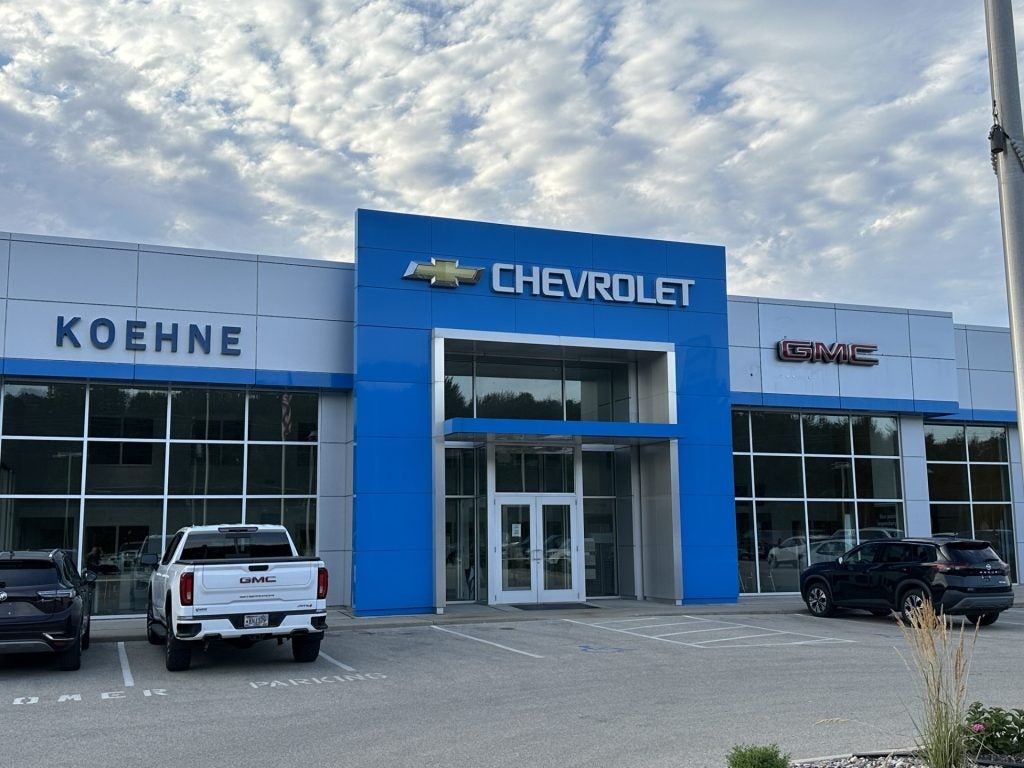
Finding a trusted local Chevy dealer is one thing. Staying confident in that choice for years afterward is another. For drivers in Marinette, Menominee, and the surrounding area, the relationship with a dealership rarely ends at the point of sale. It continues through every oil change, every warranty question, every trade conversation, and every call you make when something unexpected happens with your vehicle. Koehne Chevrolet has built its reputation across those moments, not just the ones that happen in the showroom. Understanding what makes a smaller-market dealership easier to work with over time comes down to a few things that large-volume stores simply cannot replicate at the same level. 

What the First Visit Sets Up 

The first transaction at any dealership creates more than a sale record. At a community store, it creates a relationship file that stays active. The salesperson who helped you configure your Silverado or your Equinox is often the same person answering your call six months later when you want to know about trade-in timing or an available incentive. That continuity is not incidental. It is a direct result of the staff structure at a dealership that is not cycling through dozens of new hires each quarter. 

At high-volume stores, staff turnover creates a re-explanation problem. Every return visit requires a buyer to rebuild context: what they drive, what they paid, what matters to them. At Koehne, that context stays intact. The team is familiar with your purchase history, your preferences, and your vehicle without requiring you to start from scratch. For buyers who plan to stay in their vehicle for several years and need ongoing access to the dealership, this difference is not subtle. It compounds over time into a noticeably easier experience. 

How Service Works Differently at a Local Store 

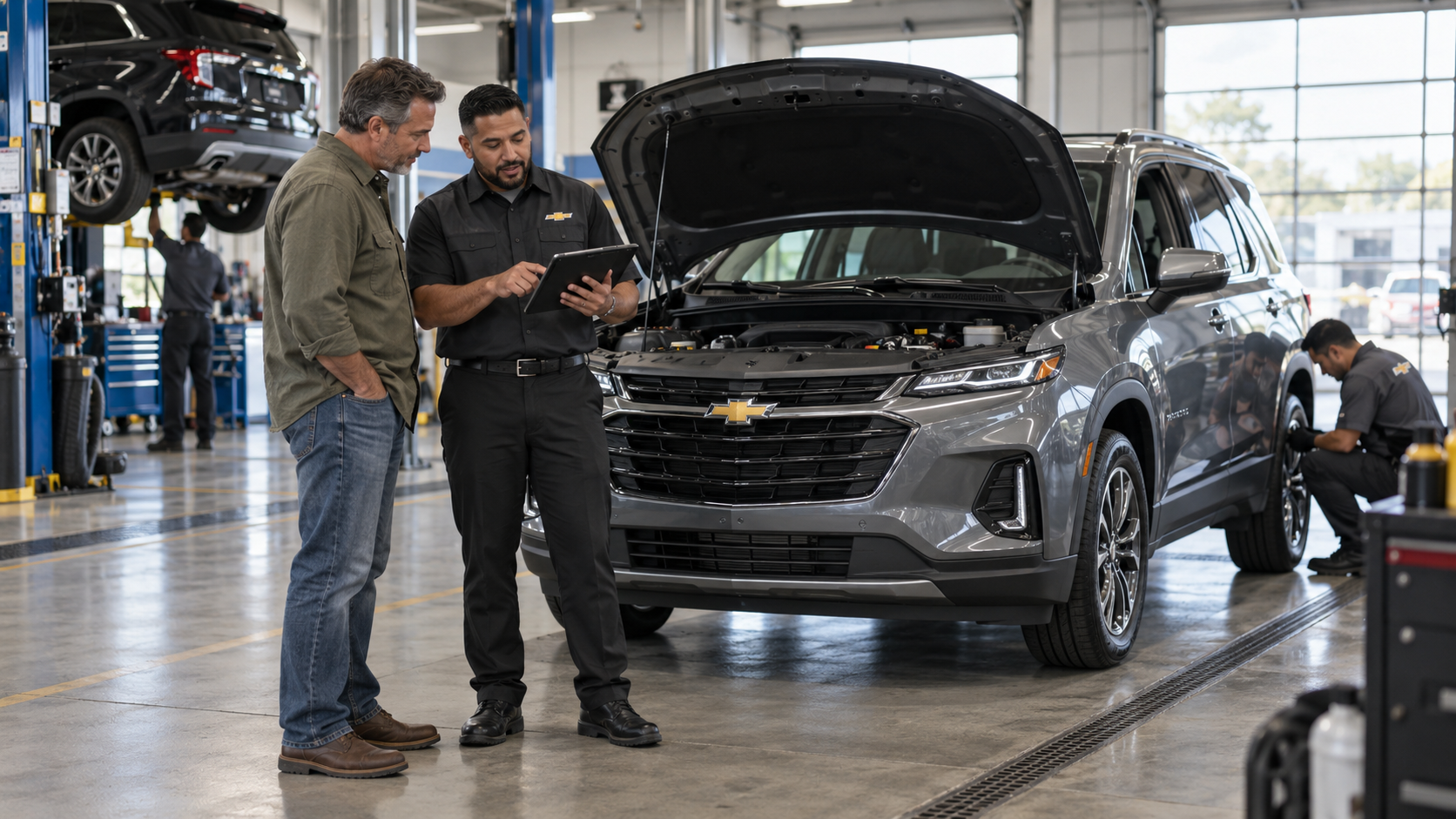
Service is where the long-term dealership relationship either holds or breaks down. At a small-market dealership, the path between you and a resolution is shorter. There are fewer departments to move through, fewer approvals to wait on, and a service advisor who is more likely to recognize your name before you explain why you are calling. That structure changes the pace and the tone of every service interaction. 

A few things work differently at the local level that matter most to repeat customers: 

  • Scheduling tends to move faster because the service bay is not operating at the volume pressure of a metro-area store. When you call Koehne to schedule a recall appointment or a seasonal inspection, the conversation is direct and the timeline is clear from the start. 
  • Warranty and recall questions get answered by the same team handling the work. There is no separate intake team routing your concern through a queue before a technician ever sees the ticket. The communication is tighter and the wait for answers is shorter. 
  • Follow-up happens. If a part needs to be ordered or a repair requires an extra day, a smaller store communicates that without prompting. You are not left waiting for an update that never arrives. 

Fewer Handoffs, Clearer Answers 

One of the more frustrating aspects of working with a large dealership is the number of people a customer has to move through before reaching a straight answer. A service question gets routed to a service advisor, who checks with a technician, who escalates to a manager, who loops back to the advisor before anything gets communicated to the customer. By the time the answer arrives, the context has often shifted slightly at each step. Small-market stores eliminate most of that chain. 

At Koehne, the structure keeps the customer closer to the source. The person you speak with about your service estimate is close enough to the work itself to give you a grounded answer. This matters most in three situations: 

  • When a repair is more involved than the initial estimate anticipated, and you need to decide whether to proceed. A direct conversation with someone connected to the actual diagnosis gives you a more complete picture than a relayed summary. 
  • When you are evaluating a trade-in and want to understand how your vehicle's service history affects its value. Staff who know the vehicle's record can speak to that honestly rather than reading from a database output. 
  • When a warranty question sits in a gray area and requires someone to advocate on your behalf with GM. A community-based dealership with an established reputation for honest dealings has a strong incentive to push for the right outcome for its customers, because those customers are also its neighbors. 

What the Community Connection Changes 

A dealership rooted in its community operates under a different kind of accountability than a high-volume store drawing buyers from a wide regional radius. Koehne Chevrolet has served Marinette, Menominee, and Oconto for decades. In a market that size, a dealership's reputation is not measured by quarterly volume numbers. It is measured by what the people at the gas station, the hardware store, and the school parking lot are saying about their experience. 

That accountability shapes how the dealership approaches every interaction. A buyer who leaves with a bad experience is not an anonymous transaction. They are someone who attends the same events, shops the same streets, and talks to the same people the dealership team does. That reality pushes the service standard in a direction that large suburban stores, drawing from a much wider and more anonymous pool of customers, simply cannot match through policy alone. 

For shoppers who want to buy a Chevy in the Marinette area and keep working with the same team for years, that community foundation is not a sentimental detail. It is a functional advantage that shows up in every service visit, every trade conversation, and every phone call that happens long after the original paperwork is signed. 
Posted in:

Related Posts

Oil Change Marinette WI Appointment and Timing Guide

An oil change Marinette WI appointment includes more than draining used oil and installing a new filter. It also includes check in, oil selection, inspection work, advisor updates, and a final review. Therefore, understanding each step can make the visit easier to follow. The full process starts before the technician opens the drain plug. What Your Oil Change Appointment Reserves An appointment reserves an arrival window for check in, work intake, and shop scheduling. Does the selected time mean a technician starts immediately? No. The time begins the intake process and gives the service team a clear arrival plan. During check in, the advisor confirms your vehicle, mileage, contact details, and requested work. In addition, the advisor creates a repair order. That document records the oil change, tire rotation, inspection, or any other requested service. The team then matches the work with a technician, bay, tools, and current shop flow. Therefore, the published estimate starts with several steps before oil service begins. more Koehne Chevrolet aims for 60 minutes as a standard oil change estimate. However, the final time can change with added work, shop activity, and vehicle needs. Before arriving, prepare a few details for the advisor: Bring the correct key or fob for the Chevrolet receiving service. Confirm your preferred phone number or email before leaving the service drive. Mention any warning lights, leaks, noises, or recent maintenance concerns. Clear notes give the technician a stronger starting point and reduce repeated questions later. What Happens During the Oil Change An oil change replaces used engine oil and the filter before staff confirm the new oil level. What happens after the technician receives your vehicle? The technician follows a set sequence for removal, replacement, refill, and final checks. First, the technician opens the drain path and removes the used oil. Next, the old filter comes off so trapped debris leaves with it. The technician then installs the correct replacement filter for that engine. Afterward, the engine receives the required oil quantity and grade. The technician checks the dipstick or electronic reading, based on the Chevrolet model. In addition, the technician reviews the drain area and filter seal for leaks. The oil life monitor also needs a reset after service. That reset tells the vehicle that fresh oil and a new filter are now in place. Therefore, the dashboard can begin a new oil life estimate. If a tire rotation or inspection is included, the visit adds more steps. Wheel removal, installation, torque checks, and tread review all require added shop time. Why Oil Type and Engine Details Matter Each engine carries stated oil grade, specification, filter, and fill quantity requirements. Why does the engine change the oil used? The correct oil must match the engine design and Chevrolet service information. Oil viscosity describes how easily oil flows at lower and higher temperatures. A label such as 0W 20 or 5W 30 shows that range. The engine manufacturer sets the approved grade for each application. Chevrolet also uses dexos specifications for many engines. That specification covers oil quality, deposit control, and protection standards. Therefore, the service team checks the vehicle and engine before selecting oil. Oil quantity also changes across models and engines. A Silverado may need more oil than a smaller Chevrolet car. In addition, turbocharged engines can have different oil needs from naturally aspirated engines. The filter must also match the engine. Thread size, seal shape, housing design, and filter media can vary. For this reason, vehicle details guide both oil and filter selection. A certified service oil change should follow the information tied to your Chevrolet. Generic oil choice cannot replace engine specific requirements. Why Can an Oil Change Take Longer Than Expected? Completion time can change with shop flow, added services, engine access, oil quantity, and inspection findings. Why can a visit take longer than expected? Several small steps can add time before the advisor calls for pickup. A tire rotation requires lift access, wheel removal, reinstallation, and final torque checks. In addition, some trucks or SUVs need more oil than smaller vehicles. Engine access can also change the work. Protective panels may need removal before the drain plug or filter becomes reachable. Therefore, the technician may spend added time reaching and reinstalling those parts. Inspection findings can create another pause. The technician may notice worn tires, low fluid, a leak, or another service need. At that point, the advisor should contact you before any added work begins. Shop activity also shapes timing. Several vehicles may arrive during the same window, while other repairs may still occupy bays. Consequently, the published estimate should remain a guide instead of a fixed promise. The best timing question is simple. Ask when the advisor expects the vehicle to be ready, based on that day’s work. How Updates and Added Work Should Be Handled The advisor should contact you when added work, price, or completion timing needs your review. When should the advisor reach out? Contact should occur before extra work changes the invoice or pickup estimate. After an inspection, the advisor may explain a new finding. That update should name the item, the proposed repair, the price, and the effect on timing. Therefore, you can decide whether to approve the work. Service offers may also include limits. Oil quantity, engine type, taxes, and other exclusions can change the final amount. For this reason, review offer terms before authorizing service. The advisor may also contact you when a delay changes the original estimate. In addition, the team should confirm when the vehicle is ready for pickup. Clear updates should answer four points. What did the technician find? What work is proposed? What will it cost? When should the vehicle be ready? Those answers keep the visit clear and give you control over added work. What to Check Before Leaving The pickup review confirms completed work, charges, dashboard reset, and any later service needs. What should you confirm before leaving? Review the invoice, the vehicle, and the next maintenance note. The advisor should explain what was completed during the visit. In addition, the invoice should list the oil, filter, rotation, inspection, and approved work. Before leaving, review these items: Confirm that the oil life monitor shows a fresh service reset. Check that no new warning light remains on after startup. Review the invoice for oil quantity, filter replacement, rotation, and added charges. Ask whether the inspection found any item that should receive later attention. If the vehicle received a tire rotation, the invoice should reflect that work. You can also ask when the wheel torque should receive another check, when applicable. Keep the final invoice with your maintenance records. Therefore, future service teams can see when the oil, filter, and related work were completed. An oil change Marinette WI visit should feel clear from check in through pickup. Knowing the process makes timing, updates, and final review easier to manage.