




Blog / Koehne Chevrolet GMC

Blog

All Koehne Chevrolet GMC Marinette Chevrolet Dealer Marinette GMC Dealer Koehne Chevrolet GMC Service Marinette Chevrolet Service

Chevrolet Certified Pre-Owned vs Used Warranty Coverage and Long-Term Value Explained

The difference between a Chevrolet certified pre owned vehicle and a standard used vehicle is not cosmetic and it is not marketing language. The difference is structural. It comes down to inspection standards, warranty coverage, ownership risk, and long term cost predictability. Both options can make sense depending on budget, mileage expectations, and ownership horizon. Understanding how each path is structured helps buyers choose based on risk tolerance rather than price alone. What Certified Pre-Owned Actually Means at Chevrolet A Chevrolet certified pre owned vehicle is not simply a used vehicle with a badge. It is a vehicle that must qualify under General Motors certification rules before it can be sold as CPO. To qualify, a Chevrolet vehicle must: more Be within a defined age and mileage range Pass a comprehensive 172 point inspection Be inspected and reconditioned by factory trained technicians Have a clean vehicle history report Meet GM mechanical and cosmetic standards Vehicles that fail any part of this process cannot be sold as Chevrolet certified pre owned. Standard used vehicles do not have this requirement and may be sold as is once they meet state inspection standards. Understanding the 172 Point Inspection The inspection is not a visual checklist. It is a system level evaluation of the vehicle. Key inspection areas include: Engine performance and fluid integrity Transmission operation and shift behavior Drivetrain components including axles and differentials Brake system wear and hydraulic operation Suspension components and steering response Electrical systems and control modules Climate control operation Safety systems and airbag readiness Interior and exterior condition thresholds This inspection matters because it reduces uncertainty. Used vehicles that are not certified may appear sound during a test drive but can still carry deferred maintenance or early component wear that surfaces later. Chevrolet Certified Pre-Owned Warranty Coverage Explained Warranty coverage is the most significant difference between certified pre owned and standard used vehicles. Chevrolet certified pre owned coverage typically includes: Powertrain limited warranty backed by General Motors Extended coverage beyond the original factory powertrain term Transferable warranty status Roadside assistance during the warranty period This coverage is manufacturer backed, not third party. That distinction matters because repairs are handled under GM repair standards using approved parts. Standard used vehicles often: Are sold without warranty coverage Include limited dealer warranties only Require third party extended warranties for protection Shift repair risk to the buyer immediately after purchase Powertrain Coverage vs Bumper Coverage Many shoppers confuse bumper to bumper coverage with powertrain coverage. Powertrain coverage focuses on: Engine internal components Transmission and torque converter Drive axles and related assemblies While it does not cover wear items or electronics, it protects against the highest cost failures during ownership. Used vehicles without coverage expose buyers to full financial responsibility if these components fail. Reliability and Ownership Risk Certified pre owned vehicles reduce ownership risk through two mechanisms: Pre sale inspection and reconditioning Post sale warranty protection This does not mean CPO vehicles never need repairs. It means the risk curve is lower and more predictable. Used vehicles without certification can be reliable, but reliability depends heavily on: Prior maintenance habits Driving conditions Mileage accumulation Storage history Without inspection transparency or warranty backing, buyers assume that risk personally. Long Term Cost Comparison Certified pre owned vehicles often cost more upfront than standard used vehicles. That price difference reflects reduced uncertainty rather than additional features. Over time, CPO vehicles can offer: Lower unexpected repair costs Reduced out of pocket expenses during early ownership Greater resale confidence when selling or trading Easier budgeting for long term ownership Used vehicles may save money initially but can become more expensive if major repairs occur early in ownership. Is Certified Pre-Owned Worth It Whether certified pre owned is worth it depends on how the vehicle will be used. CPO often makes sense for buyers who: Plan to keep the vehicle several years Want predictable ownership costs Drive higher annual mileage Value manufacturer backed protection Prefer inspection transparency Standard used vehicles may make sense for buyers who: Have mechanical knowledge or repair access Plan short term ownership Are purchasing at lower price points Accept higher ownership risk in exchange for upfront savings Negotiation and Value Considerations Certified pre owned vehicles can still be negotiated, but pricing flexibility may differ because certification adds real cost to the dealer. That cost includes: Inspection labor Reconditioning Certification fees Warranty inclusion Understanding this helps buyers negotiate realistically rather than comparing CPO pricing directly to uncertified used vehicles without accounting for structural differences. Choosing Between Certified Pre-Owned and Used The decision is not about which option is better universally. It is about which option aligns with ownership priorities. Buyers should evaluate: Expected ownership length Repair budget tolerance Annual driving mileage Importance of warranty backing Comfort level with mechanical risk Certified pre owned vehicles prioritize predictability and protection. Standard used vehicles prioritize flexibility and upfront affordability. Final Ownership Perspective Chevrolet certified pre owned vehicles are designed to bridge the gap between new and used ownership. They reduce uncertainty while preserving cost savings compared to new vehicles. Standard used vehicles can still be excellent purchases when selected carefully. The key difference is not condition at purchase, but who carries the risk after the sale. Understanding that distinction allows buyers to make informed decisions based on long term value rather than short term pricing alone.
What Is Chevrolet Super Cruise and How Does It Work

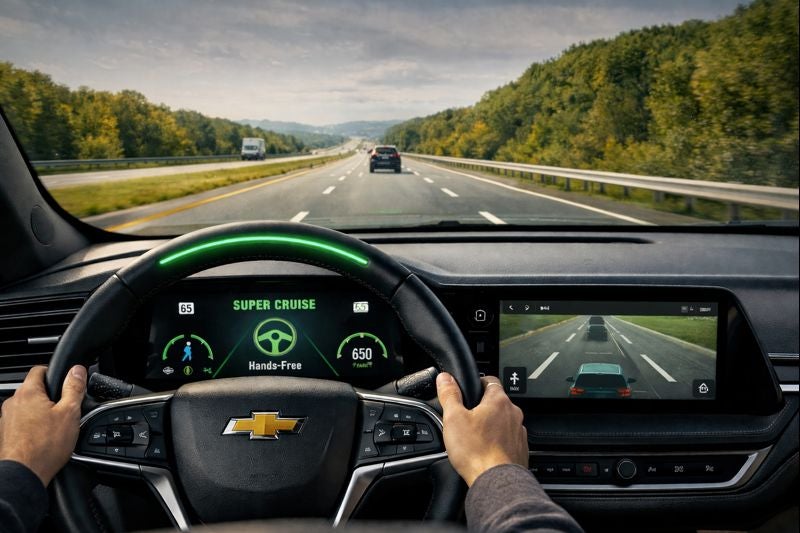
Chevrolet Super Cruise is a hands free driver assistance system designed to reduce driver workload during highway driving while keeping the driver fully responsible for the vehicle. It is not self driving and it is not autonomous. Instead, Super Cruise uses a tightly controlled combination of mapping data, vehicle sensors, and driver attention monitoring to allow hands free steering on specific highways when all operating conditions are met. Understanding Super Cruise requires separating marketing shorthand from real system behavior. This technology is engineered around safety validation, redundancy, and driver accountability rather than independence from the driver. What Chevrolet Super Cruise Actually Is Super Cruise is classified as a Level 2 driver assistance system. This classification means the vehicle can assist with steering, acceleration, and braking simultaneously, but the driver must remain attentive and ready to take control at all times. Key characteristics of Level 2 driver assistance include: more Hands free steering capability under defined conditions Continuous driver monitoring No independent decision making outside the programmed environment Immediate driver takeover required when system limits are reached Super Cruise differs from basic lane keep assist systems because it provides continuous steering control rather than intermittent corrections. However, that capability only exists when the system can confirm road type, vehicle position, and driver attention simultaneously. How Super Cruise Works at a System Level Super Cruise relies on a layered system architecture. Each layer must independently validate safe operation before hands free steering is allowed. Core system components include: LiDAR based high definition road maps GPS positioning with lane level precision Forward facing cameras for lane tracking Radar sensors for distance and speed monitoring An infrared driver attention camera Vehicle control modules managing steering, braking, and throttle If any one of these components cannot confirm proper conditions, Super Cruise disengages and returns control to the driver. Why LiDAR Mapped Roads Are Required One of the most important distinctions of Super Cruise is its reliance on pre mapped highways. General Motors uses LiDAR scanning to create highly detailed three dimensional maps of approved divided highways. These maps allow the system to: Confirm exact lane geometry Anticipate curves and elevation changes Validate road boundaries beyond camera visibility Maintain accuracy when lane markings are faded or inconsistent Super Cruise will not activate on city streets, two lane roads, or unmapped highways because those environments introduce variables that cannot be reliably validated for hands free steering. Driver Attention Monitoring and Enforcement Hands free does not mean eyes free. Super Cruise uses an infrared camera mounted on the steering column to track head position and eye movement in real time. The system verifies that the driver is: Facing forward Visually engaged with the road Alert and responsive If driver attention drops, the system escalates warnings in stages: Visual alerts through the steering wheel light bar Audible alerts Seat vibration Eventual system disengagement if ignored If the driver does not respond, Super Cruise will slow the vehicle and bring it to a controlled stop while activating hazard lights. This enforcement process is a critical safety element and a key differentiator from systems that rely only on steering wheel input. When Hands Free Steering Is Allowed Super Cruise activates only when all required conditions are satisfied: The vehicle is traveling on a compatible divided highway Lane geometry and road data are confirmed Camera visibility is sufficient The driver attention system confirms engagement No system faults are present When active, the steering wheel light bar turns green, indicating hands free steering is permitted. If conditions change, the system immediately alerts the driver and requires hands on control. Is Super Cruise Fully Autonomous No. Super Cruise is not autonomous driving. It cannot: Navigate city intersections Respond to traffic signals Handle construction zones independently Make route decisions Replace driver responsibility The system is designed specifically for controlled highway environments, where predictable road geometry allows assistance without removing the driver from the control loop. Subscription and Ownership Considerations Most Chevrolet vehicles equipped with Super Cruise include a limited trial period. Continued use after that period typically requires a subscription. Important ownership considerations include: The hardware remains installed in the vehicle Functionality is enabled through software Subscription status determines feature availability Shoppers evaluating Super Cruise should factor long term access into ownership planning rather than assuming permanent availability. Super Cruise Compared to Other Hands Free Systems Super Cruise is often compared to Tesla Autopilot, but the systems differ significantly in design philosophy. Key distinctions include: Super Cruise operates only on pre mapped highways Tesla systems rely more heavily on vision based interpretation Super Cruise enforces driver attention using eye tracking Tesla primarily monitors steering wheel input These differences reflect General Motors’ focus on controlled environments and active safety enforcement rather than broad autonomy claims. Who Super Cruise Is Designed For Super Cruise is best suited for drivers who: Spend significant time on interstate highways Want reduced steering workload during long trips Prefer clearly defined system boundaries Value enforced driver engagement for safety It is not intended for drivers expecting hands free operation in urban or unpredictable environments. The Broader Role of Super Cruise in Chevrolet Technology Super Cruise represents Chevrolet’s approach to driver assistance as a support system rather than a replacement for the driver. By limiting operation to environments where safety can be validated and enforcing continuous attention, the system prioritizes fatigue reduction without compromising responsibility. For shoppers evaluating advanced driver assistance features, the most important factors are where the system works, how it monitors safety, and what role the driver continues to play. Super Cruise is most effective when understood and used within those boundaries.

Chevrolet AWD vs 4WD: Which System Handles Wisconsin Winter Roads Better

Wisconsin winter driving exposes the difference between marketing labels and real mechanical function. Snow covered highways, glare ice at intersections, slush buildup, and frequent freeze thaw cycles demand drivetrains that manage traction predictably, not just aggressively. Chevrolet offers both all wheel drive and four wheel drive systems across its lineup, but they are engineered for different winter realities. Understanding how each system behaves in real conditions is the key to choosing the right setup. This comparison focuses on system design, driver involvement, and real winter performance rather than vehicle models or trim levels. The Core Mechanical Difference Between AWD and 4WD The primary distinction between AWD and 4WD is how torque is distributed and how the system is engaged. All wheel drive systems are designed to operate automatically: Power is distributed between front and rear axles as needed Engagement happens without driver input Torque adjustments occur continuously and instantly Systems are optimized for mixed traction environments Four wheel drive systems are designed for severe traction loss: Driver manually engages 4WD Front and rear axles are mechanically linked Torque is split evenly, regardless of surface grip Systems prioritize maximum traction over precision control This fundamental difference determines how each system performs on Wisconsin roads, where surface conditions can change mile by mile. How Chevrolet AWD Systems Handle Winter Conditions Chevrolet AWD systems are engineered for on road winter driving where ice, packed snow, and slush are more common than deep powder. Key AWD characteristics include: Reactive torque transfer when wheel slip is detected Seamless integration with traction control and stability control Improved stability during cornering on icy pavement No risk of drivetrain binding on dry or partially dry roads In Wisconsin winters, where roads are often plowed but still slippery, AWD excels because it continuously adapts without driver intervention. The system supports smooth acceleration at intersections, controlled lane changes, and stable highway travel in variable conditions. AWD is especially effective during: Icy mornings and evening refreeze Slushy highways with inconsistent traction Light to moderate snowfall on paved roads Urban and suburban winter commuting How Chevrolet 4WD Systems Perform in Snow and Ice Chevrolet 4WD systems are built for conditions where traction loss is extreme and persistent. Key 4WD characteristics include: Mechanical locking of front and rear axles High torque delivery to all four wheels Superior performance in deep snow and unplowed areas Increased traction at low speeds However, 4WD systems are not designed for continuous use on mixed surfaces. When engaged on ice or partially cleared roads, the locked drivetrain can reduce steering precision and increase understeer. 4WD performs best in: Deep snow accumulation Rural or unplowed roads Driveways, hills, and off pavement conditions Low speed travel where traction is limited everywhere Improper use of 4WD on icy pavement is one of the most common winter driving mistakes, especially when drivers assume it improves braking or cornering control. Braking and Stopping Distance Reality A critical winter driving misconception is that AWD or 4WD improves braking. In reality: Drivetrains do not shorten stopping distance Braking performance is controlled by tire grip and ABS Vehicle weight increases stopping distance on ice Stability control manages direction, not stopping power Both AWD and 4WD vehicles rely on the same braking systems. This means a heavier 4WD truck may actually require more distance to stop on ice than a lighter AWD crossover, even with more driven wheels. Driver Input and Error Risk Another major difference between AWD and 4WD is the role of the driver. AWD minimizes driver decision making: No need to anticipate traction loss No engagement errors System responds faster than human input Ideal for unpredictable winter conditions 4WD requires active decision making: Driver must choose when to engage or disengage Incorrect use can reduce control Engagement at the wrong time can stress drivetrain components Requires greater winter driving awareness For many Wisconsin drivers, especially those who travel on mixed surfaces, AWD reduces the risk of human error during winter driving. Ice vs Snow Performance Comparison Wisconsin winters are dominated by ice more than deep snow, especially on main roads. On ice: AWD offers better balance and control Stability systems work more effectively Steering response remains predictable 4WD offers limited advantage In deep snow: 4WD provides superior forward traction Ground clearance becomes critical AWD may struggle once snow depth exceeds clearance Low speed traction favors 4WD This distinction explains why AWD is often better suited for most winter driving scenarios, while 4WD remains valuable for specific environments. The Role of Tires in Both Systems No drivetrain can compensate for inadequate tires. Winter capable tires provide: Softer rubber compounds for cold temperatures Improved ice braking performance Better steering feedback on snow Reduced reliance on electronic intervention AWD paired with proper winter tires often outperforms 4WD vehicles on all season tires in real winter conditions. Which System Is Better for Wisconsin Winter Roads The answer depends on where and how you drive. AWD is generally better for: Daily commuting Highway travel Mixed winter conditions Drivers who want automatic traction management 4WD is better for: Rural or unplowed roads Deep snow environments Low speed winter work conditions Drivers comfortable managing drivetrain settings Final Winter Driving Perspective Chevrolet AWD and 4WD systems are engineered for different winter challenges. AWD prioritizes stability, adaptability, and ease of use on icy and inconsistent roads. 4WD prioritizes raw traction in deep snow and severe conditions but requires disciplined driver input. Understanding these differences allows Wisconsin drivers to choose the system that aligns with their real world winter driving environment rather than assumptions about capability.

Best Chevy Vehicles for Winter Driving in Wisconsin

Wisconsin winters are not a single condition. They are a rotating mix of packed snow, glare ice, slush, refreeze cycles, subzero temperatures, and unevenly cleared roads. Choosing the right Chevrolet for these conditions requires understanding how winter driving systems actually work, not just which badge is on the tailgate. Drivetrain layout, electronic control systems, ground clearance, tire behavior, and vehicle weight all play measurable roles in winter performance. Below is a system focused breakdown of what matters most and which Chevy vehicles are best suited for Wisconsin winter driving. What Actually Matters for Winter Driving Performance Before comparing vehicles, it helps to clarify what winter capability really means. Winter traction is controlled by several interacting systems: Tire compound and tread design, which determine grip in cold temperatures Drivetrain layout, which affects how torque is delivered during acceleration Stability and traction control systems, which manage wheel slip and vehicle balance Ground clearance, which determines whether the vehicle can move through deep or drifting snow Weight distribution, which affects braking stability and cornering control No single system works alone. Winter confidence comes from how these components work together. more AWD vs 4WD in Snow and Ice Many shoppers assume 4WD is always superior to AWD in winter, but that is not always true. All wheel drive systems, used on many Chevy SUVs and crossovers, are designed for continuous traction management: Power is automatically distributed between front and rear wheels Systems respond instantly to wheel slip No driver input is required to engage traction support Ideal for icy roads, slush, and variable conditions Four wheel drive systems, used on trucks like Silverado and Tahoe, are built for severe conditions: Typically driver selectable Best for deep snow, unplowed roads, and low speed traction Less ideal for mixed pavement and ice when engaged improperly For most Wisconsin drivers who spend time on plowed roads with intermittent snow and ice, modern Chevy AWD systems provide more consistent control. Chevrolet Traction and Stability Systems Explained Chevrolet vehicles rely heavily on electronic control systems to manage winter conditions. Key systems include: Traction Control, which limits wheel spin during acceleration Electronic Stability Control, which applies braking to individual wheels to maintain directional control Electronic Brake Force Distribution, which adjusts braking pressure based on traction Drive Mode Select systems, which alter throttle response and traction thresholds in snow modes These systems do not increase grip. Instead, they manage available grip more efficiently, reducing loss of control during acceleration, braking, and cornering. In icy conditions, this electronic intervention is often the difference between controlled movement and a slide. Why Tires Matter More Than Drivetrain Alone Even the best AWD system cannot overcome poor tire performance. Cold temperatures harden standard all season tires, reducing traction even on dry pavement. Winter rated tires remain flexible in freezing conditions and significantly improve: Braking distance on ice and snow Steering response during cornering Stability during sudden maneuvers Wisconsin drivers who pair AWD or 4WD Chevys with winter capable tires see dramatically better real world winter performance than drivetrain alone. Best Chevy SUVs for Wisconsin Winter Driving Chevy SUVs offer a strong balance of traction systems, ride height, and winter focused technology. Chevrolet Equinox AWD AWD system optimized for on road winter conditions Lower center of gravity improves ice handling Lighter weight aids braking control Excellent choice for daily commuting and urban driving Chevrolet Blazer AWD Advanced AWD with torque vectoring capability Strong stability control tuning Wider stance improves cornering stability on ice Well suited for highway winter travel Chevrolet Traverse AWD Larger platform with intelligent AWD engagement Higher ground clearance for snow accumulation Stable braking performance due to longer wheelbase Ideal for families traveling in winter conditions Chevrolet Tahoe and Suburban 4WD Full size platforms with selectable 4WD Excellent for rural roads and unplowed conditions High ground clearance handles deep snow Heavier weight requires careful braking technique on ice Chevy Trucks and Severe Winter Use For drivers in rural Wisconsin or areas with limited snow removal, Chevy trucks provide unmatched capability. Chevrolet Silverado 4WD Robust part time 4WD system High torque delivery for deep snow traction Snow mode integration improves throttle control Best paired with proper winter or all terrain tires Trucks excel when snow depth and terrain variability increase, but they require disciplined use of 4WD to avoid reduced steering control on ice. SUV vs Car in Wisconsin Winters SUVs are not automatically safer in winter, but they offer advantages: Higher ground clearance prevents snow buildup under the vehicle AWD availability across more models Better visibility in snow conditions Chevy sedans with front wheel drive can perform well in winter with proper tires, but deep snow and rural conditions favor SUVs. What Wisconsin Drivers Should Prioritize When choosing a Chevy for winter driving, focus on: AWD or 4WD based on road conditions, not marketing Stability control and traction systems as standard equipment Tire quality and winter compound availability Ground clearance appropriate for snow accumulation levels Vehicle weight balance and braking confidence Chevrolet’s lineup offers winter capable options across SUVs and trucks, but the best choice depends on how and where you drive during Wisconsin’s harshest months. Final Ownership Perspective Winter driving confidence is built through system interaction, not a single feature. Chevrolet’s modern AWD, traction management, and stability systems are engineered to support real world winter driving when paired with proper tires and informed use. Understanding how these systems work allows Wisconsin drivers to choose vehicles that deliver consistent control, predictable handling, and confidence through the most demanding months of the year.

The Evolution of the Chevrolet Equinox: A Comprehensive 2025 Review

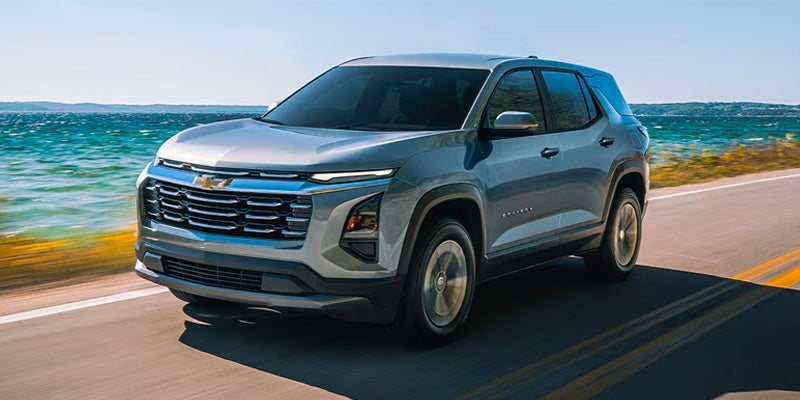
The Chevrolet Equinox has long been a popular choice in the compact SUV segment, and with good reason. As we look at to the 2025 model year and what is to come in the future, we’re excited to explore the latest innovations and improvements in both the gas-powered and all-electric versions of this versatile vehicle. Equinox Engines: From Gas to Electric Gas-Powered Equinox The 2025 Chevrolet Equinox continues to offer a reliable and efficient gas-powered option. The latest model features a 1.5L turbocharged DOHC 16-valve I-4 engine, producing 175 horsepower and 184-203 lb-ft of torque. This powertrain is paired with a CVT transmission for front-wheel-drive models and an 8-speed automatic for all-wheel-drive variants, providing a balance of performance and fuel efficiency. more Equinox EV: The Electric Revolution The introduction of the Equinox EV marks a significant milestone in Chevrolet’s electrification journey. The 2025 Equinox EV offers two powertrain options: Front-wheel drive: A single electric motor producing 220 horsepower. All-wheel drive: Dual motors delivering a combined 300 horsepower. The all-wheel-drive version provides a more energetic driving experience, accelerating from 0-60 mph in just 5.8 seconds. EV Tax Credit and Pricing One of the most attractive aspects of the Equinox EV is its eligibility for the full $7,500 federal tax credit. This incentive, applied at the point of sale, makes the Equinox EV an even more compelling option for budget-conscious buyers looking to make the switch to electric. The 2025 Equinox EV starts at an impressive $33,600 for the base LT model, with the range-topping RS trim beginning at $43,400. These competitive price points, combined with the tax credit, position the Equinox EV as an accessible entry point into the world of electric vehicles. Manufacturing and Production While the gas-powered 2025 Equinox will be built at the San Luis Potosi plant in Mexico, Chevrolet has not yet disclosed the manufacturing location for the Equinox EV. However, given General Motors’ commitment to domestic EV production, it’s likely that the electric version will be produced in one of their North American facilities dedicated to EV manufacturing. Charging and Range The Equinox EV impresses with its range and charging capabilities: Front-wheel-drive models offer up to 319 miles of EPA-estimated range. All-wheel-drive versions provide 285 miles of EPA-estimated range. All Equinox EV models come equipped with DC fast-charging capability, allowing drivers to add approximately 70 miles of range in just 10 minutes of charging. This feature ensures that long trips are manageable and reduces range anxiety for potential EV buyers. Safety Features Both the gas and electric versions of the 2025 Equinox prioritize safety with an impressive array of standard features: Enhanced automatic emergency braking Forward collision alert Lane keep assist with lane departure warning Automatic high-beams Adaptive cruise control Rear cross-traffic braking Rear park assist The Equinox EV takes safety a step further by offering GM’s Super Cruise hands-free driving system as an available option, perfect for those long highway drives. Technology and Connectivity The 2025 Equinox, both gas and electric versions, showcases Chevrolet’s commitment to cutting-edge technology: 11.3-inch infotainment touchscreen with built-in Google technology 11.0-inch digital instrument cluster The Equinox EV goes even further with a massive 17.7-inch central touchscreen, providing easy access to navigation, entertainment, and vehicle settings. Interior Comfort and Cargo Space The Equinox continues to offer a comfortable and versatile interior: Seating for up to five passengers 63.5 cubic feet of cargo space with rear seats folded (gas version) 57 cubic feet of cargo space (EV version) Both versions offer heated front seats and steering wheel as standard on higher trims, with ventilated front seats and heated rear seats available as options. Trim Levels and Styling The 2025 Equinox lineup has been streamlined to offer distinct personalities for different drivers: Gas-Powered Equinox: LT: The well-equipped base model RS: Sporty styling with unique interior accents Activ: A more rugged appearance with all-terrain tires and special styling cues Equinox EV: LT: Available in two sub-trims, offering a balance of features and value RS: Sporty styling with unique wheels and interior accents Reliability and Warranty Chevrolet stands behind the Equinox with a comprehensive warranty package: 3-year/36,000-mile limited warranty 5-year/60,000-mile powertrain warranty For the Equinox EV: 8-year/100,000-mile warranty on electric components Is the Chevy Equinox a Good Car? The 2025 Chevrolet Equinox, in both its gas and electric iterations, presents a compelling option in the compact SUV market. With its blend of style, technology, safety features, and now an all-electric option, the Equinox caters to a wide range of drivers. The gas-powered version continues to offer reliable performance and efficiency, while the new Equinox EV brings the excitement of instant torque and zero-emissions driving to the lineup. The competitive pricing of the EV model, especially when factoring in the federal tax credit, makes it an attractive option for those looking to make the switch to electric. While some may find the front-wheel-drive EV model’s acceleration a bit leisurely, the all-wheel-drive version provides the peppy performance many expect from an electric vehicle. The Super Cruise option on the EV also gives it a technological edge over many competitors in the segment. The Road Ahead for the Chevrolet Equinox The 2025 Chevrolet Equinox, whether you choose the gas-powered model or the new all-electric version, offers a well-rounded package that combines practicality, technology, and value. As the automotive landscape continues to evolve, the Equinox proves that Chevrolet is committed to providing options that meet the diverse needs of today’s drivers. Whether you’re looking for a reliable family hauler with a traditional powertrain or you’re ready to embrace the electric future, the 2025 Equinox has something to offer. With its competitive pricing, impressive feature set, and Chevrolet’s reputation for quality, the Equinox is poised to remain a top contender in the compact SUV segment for years to come.

brand new GMC Terrain

From SLE to Denali: Your All-in-One Guide to GMC Terrain Options Near Green Bay, WI

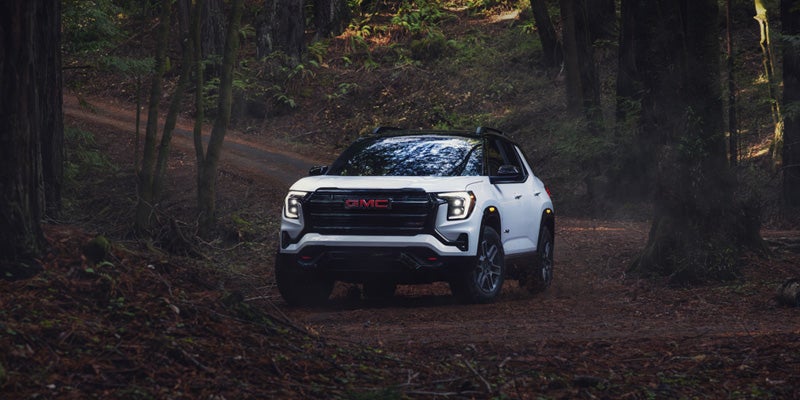
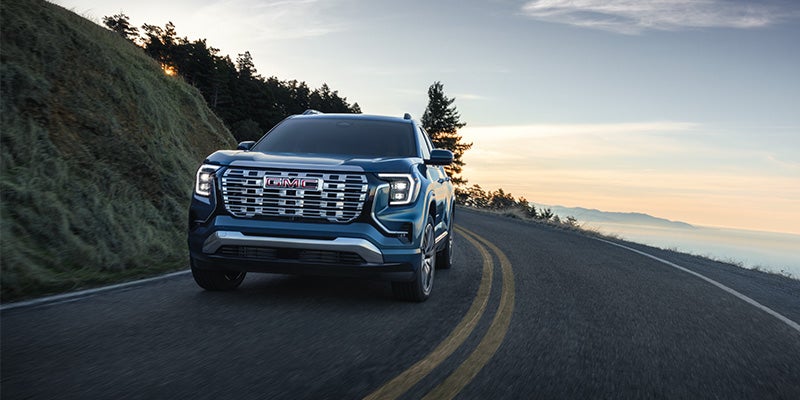
Are you in the market for a versatile and stylish compact SUV? Look no further than the GMC Terrain. Whether you’re considering a new model, a pre-owned vehicle, or a certified pre-owned (CPO) option, this guide will walk you through everything you need to know about the GMC Terrain, with a focus on options available near Green Bay, Wisconsin at Koehne Chevrolet GMC. Where is the GMC Terrain Manufactured? The GMC Terrain is proudly assembled in North America. While earlier models were produced in Canada, recent production has shifted to Mexico. This change hasn’t affected the Terrain’s quality or reliability, as GMC maintains strict quality control standards across all its manufacturing facilities. more New, Used, or Certified Pre-Owned: Which is Right for You? New GMC Terrain A new GMC Terrain is perfect for those who want the latest features, full warranty coverage, and that new car smell. It’s ideal for: Tech enthusiasts who crave the newest infotainment and safety features Buyers who plan to keep their vehicle for many years Those who prefer customizing their vehicle to their exact specifications Used (Pre-Owned) GMC Terrain A used GMC Terrain offers great value for budget-conscious buyers. It’s suitable for: Shoppers looking for significant savings compared to new models Those who don’t mind having slightly older technology or features Buyers who have researched the model year they’re interested in and are comfortable with its history Certified Pre-Owned (CPO) GMC Terrain CPO vehicles offer a middle ground between new and used. They’re ideal for: Buyers who want the peace of mind of an extended warranty Those looking for newer models at a slight discount Shoppers who value the thorough inspection process CPO vehicles undergo EV Options: The Future of GMC Terrain As of 2025, GMC has not yet released a fully electric or hybrid version of the Terrain. However, with GMC’s commitment to electrification across its lineup, we can expect to see electric options for the Terrain in the near future. Stay tuned for updates on this exciting development! Financing and Leasing Options When it comes to bringing a GMC Terrain home, you have several options: Financing: Great for those who plan to keep their vehicle long-term. You’ll build equity and own the vehicle outright after paying off the loan. Leasing: Ideal if you enjoy driving a new vehicle every few years and don’t mind mileage restrictions. Leasing often comes with lower monthly payments compared to financing. Cash Purchase: For those who prefer to avoid monthly payments and own their vehicle outright from day one. Be sure to check with Koehne Chevrolet GMC for current financing specials and lease deals on the GMC Terrain. GMC Terrain Specifications Trim Levels The GMC Terrain comes in several trim levels, each offering a unique blend of features and luxury: SLE (Starting at $29,900) SLT AT4 (Starting at $38,600) Denali (Luxury trim) Performance and Efficiency Engine Options: The 2025 Terrain comes standard with a 175-hp, 1.5-liter turbocharged four-cylinder engine Transmission: 8-speed automatic transmission Drivetrain: Available in front-wheel drive or all-wheel drive Average Fuel Economy: While exact figures for the 2025 model are not yet available, the 2024 model achieved around 25 mpg combined Interior and Capacity Seating: The GMC Terrain comfortably seats up to 5 passengers Cargo Space: Ample room for luggage and gear, with folding rear seats for extra space Gas Tank Size: Approximately 14.9 gallons (may vary slightly by model year and configuration) Towing Capacity The GMC Terrain has a maximum towing capacity of 1,500 pounds when properly equipped, making it suitable for light towing tasks. Reliability and Common Issues The GMC Terrain has generally been considered a reliable vehicle, with many owners reporting satisfaction with their purchase. However, like any vehicle, it may experience some issues: Early models (pre-2018) had some reports of transmission problems Some owners have reported issues with the infotainment system in certain model years As with many modern vehicles, there have been occasional recalls for various components To maintain your GMC Terrain’s reliability, follow these preventative maintenance tips: Adhere to the recommended service schedule in your owner’s manual Regularly check and change fluids, including oil, coolant, and transmission fluid Keep tires properly inflated and rotated Address any warning lights or unusual noises promptly Why Choose Koehne Chevrolet GMC? When shopping for your GMC Terrain near Green Bay, Koehne Chevrolet GMC offers: A wide selection of new, used, and CPO GMC Terrain models Expert sales staff familiar with all Terrain trim levels and features Competitive pricing and financing options A state-of-the-art service department for all your maintenance needs Whether you’re looking for a new GMC Terrain, a reliable pre-owned model, or a value-packed certified pre-owned option, Koehne Chevrolet GMC has you covered. Visit us today to test drive the GMC Terrain and find the perfect fit for your lifestyle and budget. Disclaimer: The pricing information provided in this blog post is for general informational purposes only and should be considered as estimates. Actual prices may vary depending on various factors including but not limited to trim level, optional features, dealer pricing, and current market conditions. For the most accurate and up-to-date pricing information, please contact Koehne Chevrolet GMC directly. Tax, title, license, and dealer fees are additional. The manufacturer reserves the right to change product specifications, pricing, and equipment at any time without incurring obligations. Always verify vehicle information with your sales representative before making any purchase decision.

Contact Us

Fill out this form below and we'll contact you shortly
*Required Fields