





Blog / Koehne Chevrolet GMC Service

Spring Vehicle Maintenance Checklist for Chevrolet Owners After a Wisconsin Winter

Winter driving conditions in Wisconsin can expose vehicles to freezing temperatures, road salt, snow, and pothole damage. By the time spring arrives, many Chevrolet owners begin wondering what maintenance checks are important after months of cold weather driving. Seasonal inspections help ensure that systems affected by winter conditions continue operating safely and efficiently. Understanding how winter environments influence vehicle components such as the suspension, braking system, battery, and fluids helps drivers identify the most important maintenance checks to perform as temperatures begin to warm.

How Winter Road Salt Affects Chevrolet Undercarriage Components

Many drivers ask whether winter road salt can damage a vehicle and why spring inspections often include undercarriage cleaning. Road salt is used extensively during Wisconsin winters to improve road traction, but salt can accelerate corrosion on exposed metal components underneath the vehicle.

Salt lowers the freezing point of water, allowing snow and ice to melt. However, when salt mixes with moisture and oxygen, it creates an electrochemical reaction that speeds up the oxidation process that leads to rust.

The Chevrolet underbody and suspension components most exposed to road salt include:

• suspension control arms
• brake lines and mounting brackets
• exhaust system components
• frame rails and structural supports

When salt residue remains on these components for extended periods, corrosion can gradually form on metal surfaces. While modern Chevrolet vehicles include corrosion resistant coatings, routine washing and undercarriage cleaning during spring helps remove salt buildup before it contributes to long term rust formation.

Why Tire and Suspension Systems Should Be Checked After Winter Driving

Drivers often wonder why suspension inspections are recommended after winter driving conditions. Cold weather combined with pothole impacts can place significant stress on a vehicle’s suspension and steering components.

The Chevrolet suspension system is designed to absorb road impacts and maintain tire contact with the pavement. When a vehicle encounters a pothole, the force from the impact travels through the wheel, tire, and suspension assembly.

Several components help manage these forces:

• shocks or struts that control vertical wheel movement
• control arms that maintain wheel alignment geometry
• bushings that absorb vibration between metal components
• steering linkages that control wheel direction

Repeated pothole impacts can gradually affect suspension alignment or accelerate wear in these components. Drivers may notice symptoms such as uneven tire wear, pulling during highway driving, or steering that feels less stable.

Spring inspections often include checking tire condition and suspension alignment to ensure the Chevrolet suspension system continues to maintain proper handling and ride stability.

Brake System Inspection After Winter Driving Conditions

Drivers frequently ask whether winter driving conditions affect brake performance. The Chevrolet brake system relies on friction between brake pads and rotors to slow the vehicle, and these components are constantly exposed to moisture, debris, and road salt during winter months.

Brake rotors are typically made of cast iron, which can develop surface rust when exposed to moisture and salt residue. Light surface corrosion often disappears once the brakes are used during normal driving. However, heavy corrosion or debris buildup can accelerate wear on brake pads and reduce braking efficiency.

Spring brake inspections typically evaluate several Chevrolet brake system components:

• brake pad thickness and wear patterns
• rotor surface condition and corrosion buildup
• brake line integrity and mounting hardware
• proper operation of calipers and braking pressure

Because braking systems are essential for vehicle safety, inspecting these components after winter helps ensure the Chevrolet braking system continues operating reliably.

How Cold Weather Affects Vehicle Fluids and Lubrication Systems

Another common question drivers ask is whether winter conditions affect vehicle fluids. Cold temperatures can influence the viscosity and performance of fluids used in lubrication, cooling, and hydraulic systems.

Inside a Chevrolet engine and drivetrain, fluids are responsible for several critical functions:

• engine oil lubricates moving internal engine components
• coolant regulates engine operating temperature
• transmission fluid supports gear operation and hydraulic pressure
• brake fluid transfers force through the braking system

During extremely cold weather, fluids can thicken and flow more slowly until the engine reaches normal operating temperature. Over time, temperature fluctuations may also allow moisture to accumulate in certain systems.

Spring inspections often include checking fluid levels and evaluating fluid condition to ensure the Chevrolet engine and drivetrain continue operating smoothly.

Why Winter Temperatures Can Reduce Battery Performance

Drivers often notice that battery problems occur during or immediately after winter. Cold weather affects the chemical reactions that allow automotive batteries to produce electrical current.

A vehicle battery generates electricity through a chemical reaction between lead plates and an electrolyte solution. As temperatures drop, these chemical reactions slow down, reducing the battery’s ability to deliver power.

At the same time, cold engines require more electrical energy to start because engine oil becomes thicker and internal resistance increases. This combination of higher demand and reduced battery output places additional strain on the electrical system.

Spring battery inspections typically evaluate:

• battery voltage and charge capacity
• corrosion on battery terminals
• secure electrical connections
• overall battery age and condition

Testing the Chevrolet battery system after winter helps identify batteries that may have weakened during cold weather and ensures reliable engine starting during seasonal temperature changes.

Spring maintenance provides an opportunity for Chevrolet owners to inspect the systems most affected by winter driving conditions. By understanding how road salt, potholes, temperature changes, and seasonal debris influence vehicle components, drivers can address potential issues early and maintain safe and efficient operation throughout the year.

Posted in:

Related Posts

How Often Should You Replace Your Cabin Air Filter and Why It Matters

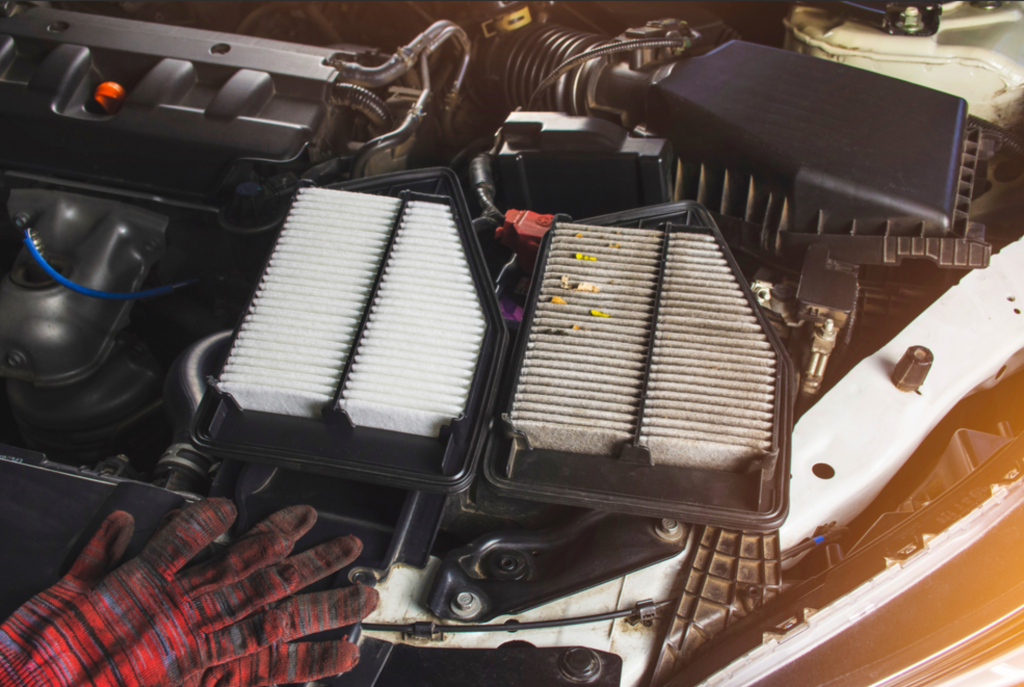
Many drivers researching vehicle maintenance ask how often a cabin air filter should be replaced and whether it actually affects comfort inside the vehicle. The cabin air filter plays a critical role in the Chevrolet HVAC system by filtering the air that enters the passenger compartment through the heating and air conditioning system. While the component itself is small, its impact on air quality, ventilation performance, and seasonal driving comfort is significant. Understanding how the Chevrolet cabin air filtration system works and when replacement becomes necessary helps drivers maintain proper airflow, protect interior air quality, and ensure the vehicle’s climate control system continues operating efficiently. How the Chevrolet Cabin Air Filtration System Works Many drivers researching vehicle maintenance schedules ask what a cabin air filter actually does and how it affects the air inside the vehicle. A cabin air filter is a filtration component installed within the vehicle’s heating, ventilation, and air conditioning system that removes dust, pollen, debris, and airborne contaminants before outside air enters the passenger compartment. When outside air enters the Chevrolet HVAC system, it first passes through the cabin air filter before reaching the blower motor and ventilation ducts. The filter uses layered fibers designed to capture particulate matter while allowing clean air to flow through the system. Inside a Chevrolet ventilation system, airflow follows a simple process: more • Outside air is drawn into the HVAC intake near the windshield. • The Chevrolet cabin air filter captures dust, pollen, and airborne debris. • Clean air passes through the blower motor and climate control ducts. • Conditioned air is delivered through the interior vents. Because every air intake cycle passes through the cabin filter, contaminants gradually accumulate inside the filter media. As debris builds up, airflow becomes restricted and the ventilation system must work harder to move air through the clogged filter. For drivers, this means a neglected cabin air filter can reduce airflow through the vents and affect heating and cooling performance. Recommended Cabin Air Filter Replacement Intervals One of the most common maintenance questions drivers ask is how often the cabin air filter should be replaced. Most Chevrolet maintenance schedules recommend replacing the cabin air filter approximately every 15,000 to 25,000 miles under typical driving conditions. However, replacement intervals can vary depending on the environment in which the vehicle is driven. Areas with high pollen levels, construction dust, or seasonal debris can cause filters to accumulate contaminants more quickly. Several environmental factors influence how frequently a Chevrolet cabin air filter may require replacement: • Spring pollen levels that introduce airborne allergens into the ventilation system • Dust and road debris encountered during everyday driving • Urban pollution and particulate matter from traffic • Winter road salt and fine debris carried into air intakes • Driving in rural areas with unpaved roads or agricultural dust Because the cabin air filter directly affects ventilation airflow, many drivers notice improved HVAC performance immediately after replacing a clogged filter. Signs Your Cabin Air Filter May Need Replacement Drivers often ask how to recognize when a cabin air filter needs replacement. Over time, accumulated debris reduces the filter’s ability to pass air through the HVAC system efficiently. This restriction can produce several noticeable symptoms inside the vehicle. Common signs that the Chevrolet cabin air filter may be clogged include: • Reduced airflow from dashboard vents even when the fan speed is high • Musty or dusty odors when the HVAC system is running • Increased dust accumulation on interior surfaces • Noisy airflow caused by the blower motor working harder • Longer cooling or heating times when adjusting climate settings When airflow resistance increases inside the ventilation system, the blower motor must push harder to move air through the clogged filter. While the HVAC system is designed to handle normal airflow resistance, excessive buildup inside the filter can reduce system efficiency. Replacing the cabin air filter restores normal airflow through the Chevrolet HVAC system and helps the ventilation system operate as intended. Why Cabin Air Filters Matter for Interior Air Quality Another question drivers frequently ask is whether the cabin air filter actually improves air quality inside the vehicle. Modern Chevrolet cabin air filtration systems are designed to capture a wide range of airborne particles before they enter the passenger compartment. These filters help remove contaminants such as pollen, dust, mold spores, and fine debris that can circulate through the ventilation system. The benefits of proper cabin air filtration include: • Reduced exposure to seasonal allergens while driving • Cleaner interior air circulation during daily commutes • Less dust buildup inside the cabin • Improved comfort during allergy seasons For drivers who spend significant time commuting or traveling with passengers, maintaining the Chevrolet cabin air filter ensures the ventilation system continues delivering filtered air rather than circulating airborne contaminants. How a Dirty Cabin Air Filter Affects HVAC Performance Many drivers researching weak airflow from their vehicle vents ask whether a dirty cabin air filter can affect air conditioning performance. Because the Chevrolet HVAC system relies on steady airflow to distribute heated or cooled air, a clogged cabin air filter can directly influence how efficiently the climate control system operates. When debris restricts airflow through the filter, the ventilation system must compensate by increasing blower motor effort to maintain airflow. This resistance can reduce the volume of air reaching the cabin vents. As airflow becomes restricted, drivers may notice: • Weaker airflow from dashboard vents • Slower cabin cooling during hot weather • Reduced heating performance during winter driving • Increased strain on the ventilation system blower motor Replacing a clogged cabin air filter restores unrestricted airflow through the HVAC system, allowing the climate control system to circulate conditioned air more effectively throughout the cabin. Because the cabin air filter directly affects ventilation performance, replacing it during seasonal maintenance helps maintain both interior comfort and HVAC efficiency. Regular inspection of the Chevrolet cabin air filter ensures the vehicle’s ventilation system continues delivering clean air and proper airflow throughout the year.